

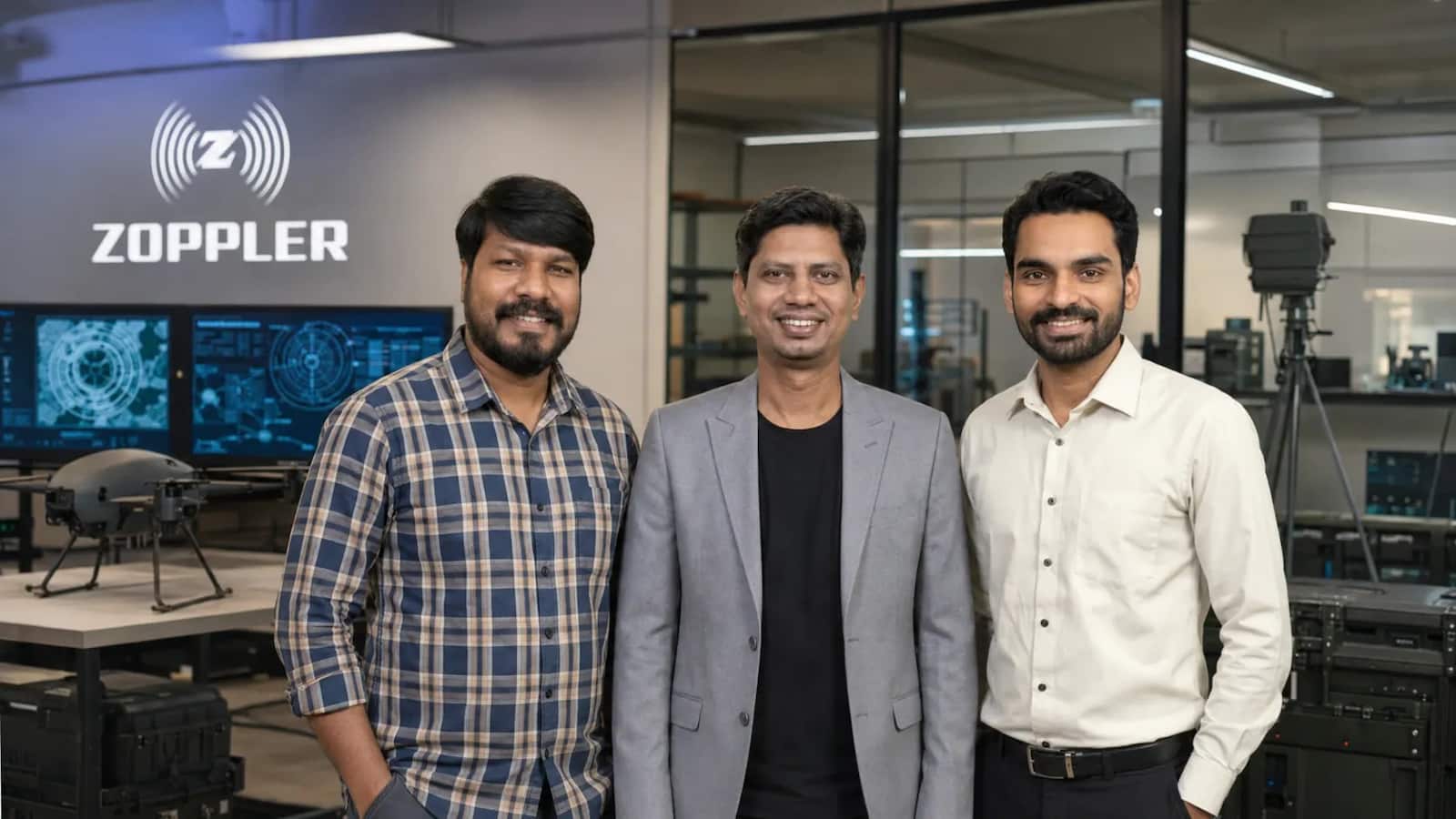
Zoppler Systems Funding: Bengaluru startup Zoppler has got new funding, and the company says this money will help it move faster. It plans to use the fresh capital to build its products more quickly, test its own technology in the field, grow its engineering team, and push its systems into more defence and dual-use projects. Recent reporting says Zoppler raised Rs 6.5 crore in a round co-led by Finvolve and India Accelerator.
The company works on indigenous radio frequency, or RF, sensing products. It also builds what it calls a vendor-agnostic decision and autonomy platform. In easy words, that means its system is made to work with many different setups instead of depending on only one company’s equipment.
Independence Day 2026: Full Vande Mataram Lyrics Feature on Red Fort Invites
How the Technology Works
Zoppler’s platform is built for defence use. It is meant to work across airborne, ground, and naval systems. The startup also says future space use is possible too. Its technology uses Edge AI and an open architecture. This lets defence teams add sensing, decision-making, and response tools to systems they already have, as long as the older systems are compatible. That means they do not always need to throw out old hardware and start again.
The platform also supports networked autonomy. That means more than one asset can share information and work together. In simple terms, one machine can help another machine by passing useful data and helping with mission work. Zoppler says this can help teams make decisions faster, stay flexible, and make different systems work together better.
IG Defence Positions Indigenous KAL Drone for International Sales; Gulf Nations in Focus
Beyond Defence Use
Zoppler is also wants its technology to be used in dual-use areas, which means places where the same system can serve both security and civilian needs. The company sees possible use in ports, airports, energy sites, factories, and logistics operations. These are places where fast sensing and quick response can matter a lot.
The startup says its systems can help in critical infrastructure and other industrial settings by making operations smarter and faster. With its open design, the company is trying to offer a practical upgrade path for organisations that already have working systems but want better sensing and automation without a full replacement.
