

Tata-Lockheed Vs Mahindra-Embraer: The competition for India’s Medium Transport Aircraft (MTA) programmeave already moved ahead with plans for a C-130J maintenance, repair and overhaul (MRO) facility in Bengaluru. The agreement, announced in September 2024, covers maintenance of the Indian Air Force’s existing 12 C-130Js and could eventually support other Super Hercules aircraft operated around the world.
The partnership also proposed expanding C-130J manufacturing and assembly in India if it wins the MTA programme, subject to government approval.
Indian Army To Buy 350 Portable Explosive Detectors To Boost Anti-IED Operations
Construction of the Bengaluru facility began in December 2025. Lockheed Martin says the centre will handle heavy and depot-level maintenance, component repair, structural inspections, restoration work and avionics upgrades. It also plans to train Indian engineers and maintenance personnel.
Tata Advanced Systems expects construction to be completed by the end of 2026, with the first C-130J entering MRO operations in early 2027.
What The Two Partnerships Are Offering
The Tata-Lockheed proposal comes with an existing Indian C-130J fleet, a C-130J component manufacturing operation in Hyderabad and an MRO facility already under construction. Lockheed Martin has also proposed technology transfer and greater Indian assembly if the partnership is selected.
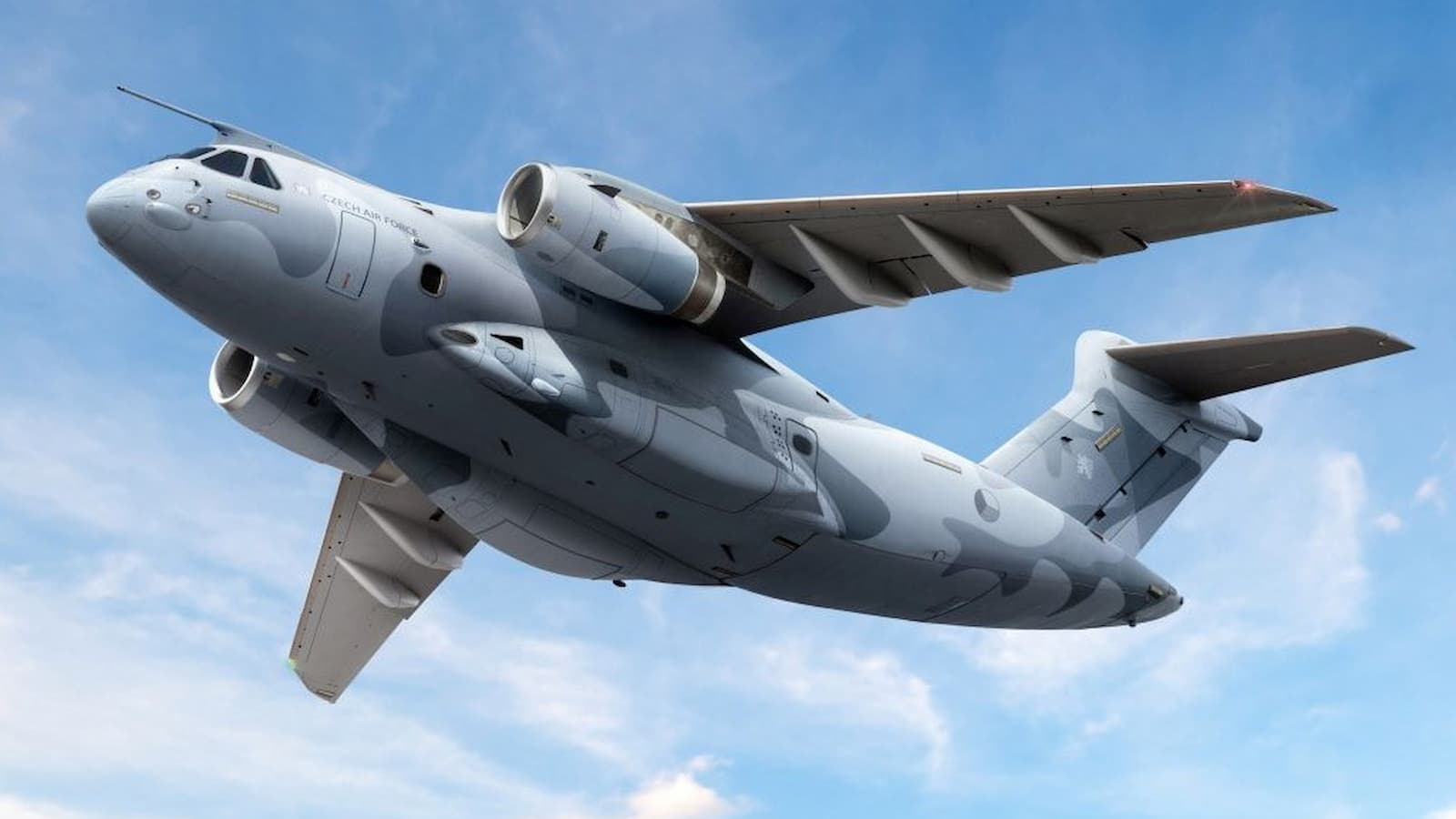
The Embraer-Mahindra partnership is offering the C-390 Millennium and has placed greater emphasis on developing India as a wider manufacturing, supply-chain and MRO base for a growing global fleet.
This difference could make the industrial side of the programme particularly important. One proposal is built around an aircraft already operated by the IAF, while the other introduces a new platform with ambitions for a larger industrial ecosystem in India.
India’s Localisation Push
The broader competition also comes as India expands its defence localisation efforts. A Kotak Institutional Equities report dated August 18, 2026 said the sixth Positive Indigenisation List covers 405 items and could create a domestic business opportunity of around Rs 3,100 crore through FY2032.
The list increasingly focuses on smaller but critical parts rather than complete weapon systems. These include line-replaceable units, subsystems, components, spares, sub-assemblies and raw materials.
Türkiye Launches National AI Platform EVREN To Strengthen Defence Industry
According to the report, defence electronics make up around 56% of the listed items, while aerospace accounts for about 21%. Companies such as Bharat Electronics, Astra Microwave, Data Patterns and Paras Defence could benefit from this growing electronics and aerospace demand.
The MTA decision will ultimately depend on technical evaluation, pricing, proposed workshare, localisation plans and other commercial terms. The available information does not establish one industrial proposal as superior, making the final government assessment important.
