

India UK’s Martlet Missiles Deal: India is moving ahead with plans to buy hundreds of British Lightweight Multirole Missiles, also known as the Martlet or LMM, for the Indian Army. The missile is being developed for air defence and can be used against drones and other aerial targets. India and the UK are now close to signing an Inter-Governmental Agreement for the purchase. British officials have said that the number planned for India has increased significantly from the original plan announced in 2025.
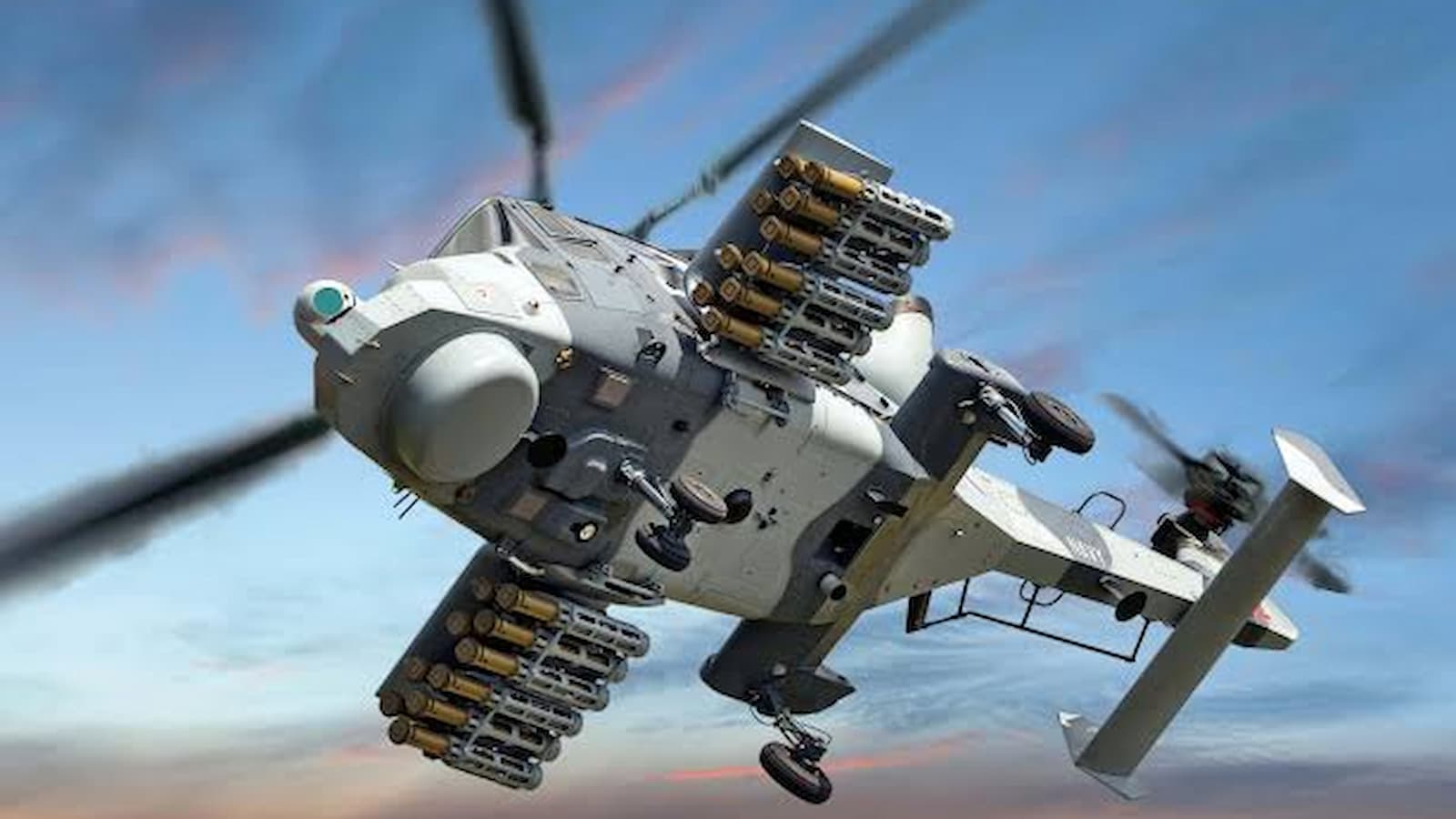
The Martlet is made by Thales UK at its facility in Belfast, Northern Ireland. The missile is small and weighs around 13 kg. It can travel at about Mach 1.5 and has a range of more than 6 km. It uses laser beam riding guidance to reach its target. Because of its size and different launch options, it can be used by soldiers on the ground and can also be fitted to vehicles, helicopters and some naval platforms.
Six EMB-145 Aircraft for Netra Mk1A: India’s MoD Moves Closer to Embraer Deal
Indian Army’s Martlet Plan
The first India-UK plan for the LMM was announced in October 2025. At that time, the two countries announced a government-to-government deal worth £350 million, or around $468 million. Since then, British officials have said the planned number of missiles has gone up. The latest reports say the Indian order will run into several hundreds. The final number has not been made public yet.
India is expected to use the missile mainly in a ground-based short-range air defence role. It can be launched from the shoulder, from a tripod or from a vehicle. This gives Army units more choices when they need to protect troops and important areas from low-flying threats.
The missile is not meant to replace India’s larger air-defence systems. Its main value is that it can deal with smaller and closer threats without using a much more expensive long-range interceptor every time. This is becoming more important because drones are now being used in very large numbers in modern wars.
The UK itself has moved towards using the Martlet more for counter-drone missions. In June 2026, Britain placed another £36 million order for the missile. The British government has also said that LMMs have already been used to destroy more than 100 drones in Middle East operations.
The Martlet has also been used by Ukraine against Russian forces during the Russia-Ukraine war, which is now in its fifth year. Ukraine has received thousands of these missiles from Britain. In 2025, the UK announced a £1.6 billion package for more than 5,000 LMMs, while Ukraine later said the arrangement covered 5,350 missiles and RapidRanger launchers over five years. Britain then announced another 1,000 LMMs in 2026. This has taken the publicly announced British commitment to Ukraine beyond 6,000 missiles.
How Astra Missile Integration Could Make India’s Rafale Fleet Even Deadlier
Because of this, India is expected to become the second-largest customer for the Martlet after Ukraine. The missile is also already in service with the British military. It has been used from Royal Navy Wildcat helicopters and in British Army short-range air-defence systems.
More India-UK Defence Cooperation
The Martlet deal is only one part of the growing defence relationship between India and Britain. The two countries are also working together on electric propulsion for Indian Navy warships.
India and the UK are preparing another Inter-Governmental Agreement for Integrated Full Electric Propulsion technology for four Landing Platform Docks, or LPDs, that are planned to be built in India. These will be large amphibious ships that can carry troops, vehicles and other equipment for operations near the coast. The new propulsion system is being planned as a full-electric setup for these four ships.
British company GE Vernova is working with state-owned Bharat Heavy Electricals Limited, or BHEL, on India’s first maritime land-based testing facility for this technology. The idea is to build and test the propulsion system on land before it is put into the actual warships. The arrangement is part of a wider India-UK programme that aims to build more advanced naval technology in India. An initial electric-propulsion programme announced in 2025 was valued at £250 million.
Electric propulsion can also give future warships more power for modern equipment such as advanced sensors, electronic systems and other high-power technology. India and the UK had already signed a Statement of Intent on electric propulsion cooperation in November 2024. The latest agreement is expected to take that work further.
The wider defence relationship also includes training cooperation. India and the UK have agreed on arrangements under which qualified Indian Air Force flying instructors can be integrated into UK Royal Air Force training. Both sides have said they want closer work in advanced weapons, defence technology and military training.
