
India Rejects Major Russian Defence Offers: India has not shown keen interest in purchasing Russia’s fifth-generation Su-57 fighter jets or signing new submarine deals despite vigorous Russian pitches during recent diplomatic engagements. Government and defence sources confirm that while the discussions took place, no formal procurements have been agreed, signaling a cautious shift in strategic defence cooperation between the two longstanding partners.
India Rejects Major Russian Defence Offers?
During Russian President Vladimir Putin’s high-profile visit to India this week, multiple defence platforms were discussed, including advanced fighter jets like the Su-57, long-range drones, air-defence systems, and submarine technology. But official statements and agreement lists released so far do not include any new contracts for the Su-57 or major submarine purchases. While India and Russia bolstered trade and diplomatic ties, the lack of high-end military deals is notable.

Indian media and analysts have pointed out that India’s response was described as “tepid”, with New Delhi focusing instead on self-reliance, modernization, and domestic defense production rather than signing headline defense contracts on the sidelines of the summit.
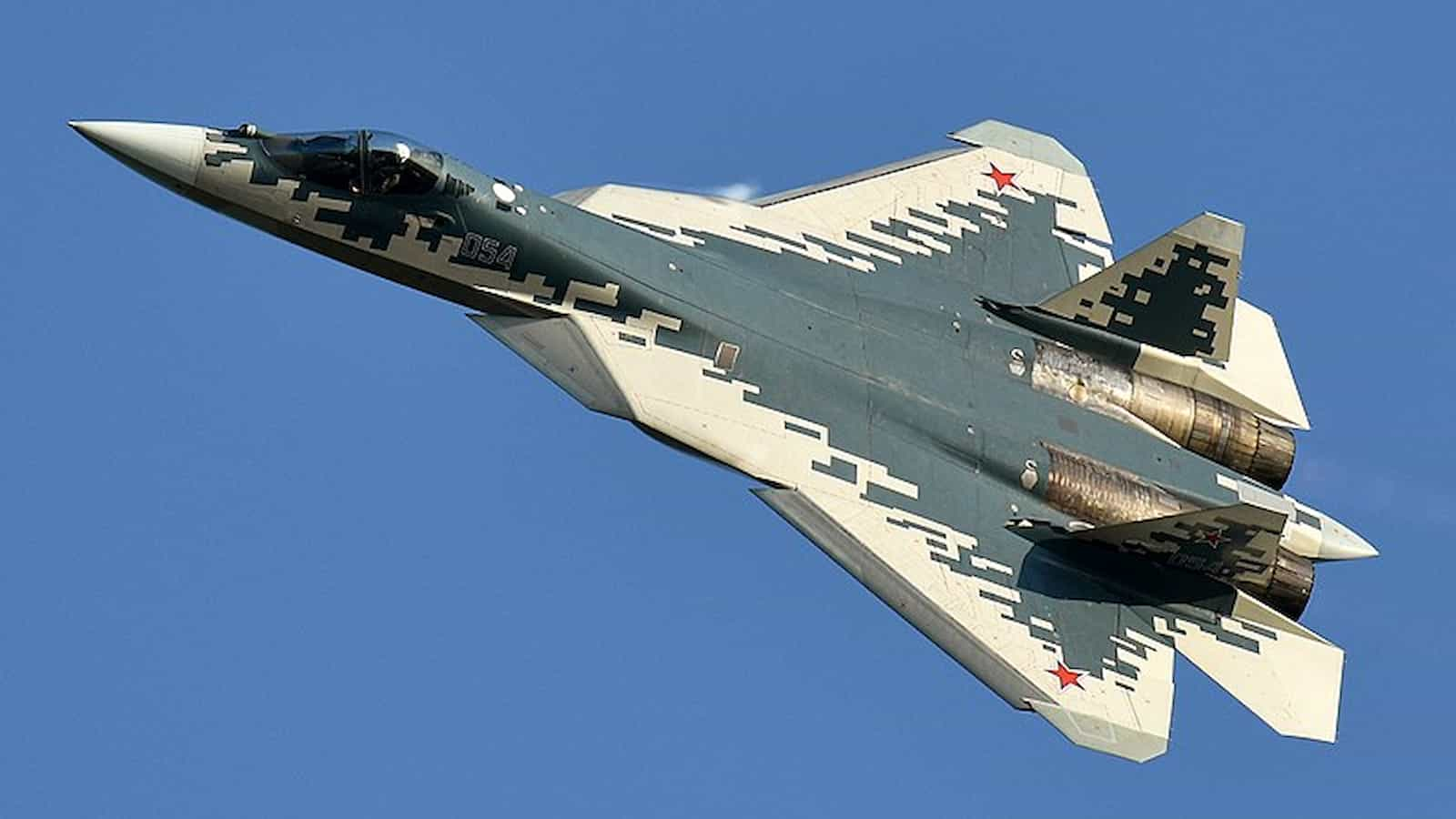
Su-57 Fighter Jets Offer
Russia has actively courted India for years to consider its Su-57 fifth-generation stealth fighter. The Kremlin and state-owned defence firms have pitched everything from direct sales to joint production and technology transfer as inducements. But India has so far hesitated to commit, even as Moscow makes its most aggressive offer yet, including proposals to set up localised manufacturing and potentially share sensitive technologies under certain conditions.
Earlier reporting and defence commentary have highlighted that India withdrew from the original Su-57 co-development (FGFA) programme nearly a decade ago over concerns about cost, performance and technology gaps. A joint statement had merely stated, “Both sides agreed to encourage joint manufacturing in India of spare parts, components, aggregates and other products for maintenance of Russian origin arms and defence equipment under the Make-in-India programme through transfer of technology.”
Su-57E Engine ToT to India: Russia Allows HAL Koraput to Manufacture Engines
Why India Is Hesitant?
1. India has ramped up domestic defence manufacturing under initiatives like Make in India and Atmanirbhar Bharat. Modernisation of local capabilities often receives priority even when foreign offers are attractive because India wants technology transfer, not just equipment delivery.
2. India has diversified its defence suppliers. In the last ten years, the country has procured advanced platforms from Western partners (e.g., France for the Rafale fighter) and invested in its own projects such as the Advanced Medium Combat Aircraft (AMCA). Consequently, Russia is not India’s sole or default defence partner anymore.
3. When experts were pointing, they mentioned the technical capabilities, logistics, and sustainment as core issues that challenge the performance of the Su-57 Indian branch, especially since operational requirements for Indian Air Force missions are different. Moreover, independent observers say that Russia’s defence production is limited by the country’s geopolitical situation and the long waiting list for exports.
What About Submarines?
Compared to submarine acquisition rumors in local Indian media and on social platforms, the Indian government has not signed any new submarine deals with Russia as a result of the recent diplomatic exchanges. According to Russian sources and some foreign media, cooperation on a nuclear-powered submarine is an option being considered, but there have been no official contract announcements or letters of intent from New Delhi.
India Rejects Major Russian Defence Offers: Expert Take
Defence analysts interpret India’s response not as rejection, but as strategic caution. India continues to value its defence relationship with Russia, historically one of the largest suppliers of Indian military equipment, but it now places greater emphasis on domestic innovation, diversified suppliers, and technology transfer rather than straightforward imports.
Likely near-term outcome
Expect continued negotiations and PR positioning rather than immediate contracts. Russia will likely continue to court India with offers of co-production and transfer; India will continue to extract guarantees and create leverage for the domestic industry. Some limited, highly conditional deals (training, spares, joint R&D) are plausible, but headline-grabbing sales, especially of the Su-57 or a freshly leased strategic submarine, remain uncertain until both the technical assurances and political calculations align.
FAQs
Q: Has India signed for Su-57 fighters or a new Russian submarine?
No confirmed, signed contract for either has been publicly verified; media stories about a new submarine deal were specifically denied by the Indian government.
Q: Could India still buy these systems later?
Yes. Offers remain on the table, and India may buy or co-develop systems if technical, industrial and political conditions satisfy New Delhi’s requirements.
