

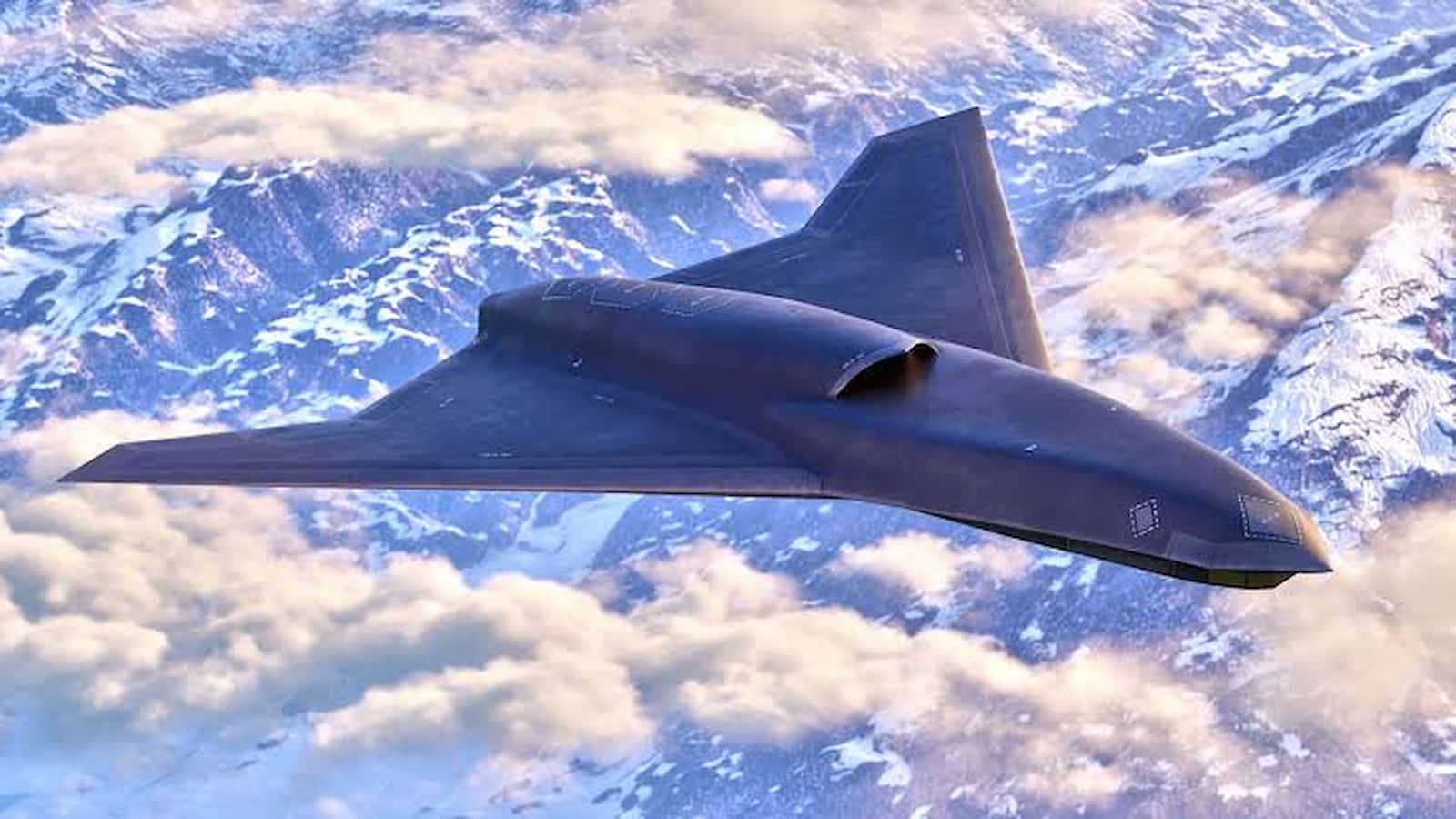
Lockheed Martin Vectis Drones: Lockheed Martin missed out on the U.S. Air Force’s first major Collaborative Combat Aircraft production contracts in June. The awards went to Anduril and General Atomics. But Lockheed Martin isn’t stepping away from the drone race. Its Skunk Works division is now building four more Vectis aircraft with its own money.
Anduril and General Atomics Get the First CCA Contracts
The Air Force awarded its first CCA Increment 1 aircraft contracts to General Atomics and Anduril in June 2026. General Atomics is developing the FQ-42 while Anduril is working on the FQ-44. These aircraft are being developed to work with crewed fighter jets and carry out missions in future air combat.
Kenya Navy Explores Saab Surveillance and Defence Technologies for Maritime Security
Lockheed Martin didn’t get one of the aircraft production contracts. However, the company wasn’t completely left out of the CCA program. The Air Force also created a six-company pool for mission autonomy software. The companies are:
- Anduril
- General Atomics
- Lockheed Martin
- Northrop Grumman
- RTX Collins Aerospace
- Shield AI
The Air Force has already given production options to Anduril, RTX Collins Aerospace and Shield AI. More software competitions are expected as the program moves ahead. This means Lockheed Martin still has a possible route into the CCA program through software, even though it didn’t win the first aircraft production contract.
Lockheed Martin Adds Four More Vectis Drones
Lockheed Martin is also taking another route. Its Skunk Works unit announced on September 14 that it plans to build four additional Vectis vehicles. The company already has one prototype under construction. Its first flight is targeted for 2027.
Vectis is a Group 5 uncrewed aircraft. Lockheed Martin says it’s designed to fly on its own or work with crewed aircraft such as the F-35 and future fighter platforms. The company is building it for missions that can include surveillance and combat operations.
The aircraft is also being designed with an open and flexible system. This can allow it to work with different autonomy software instead of being tied to just one software supplier.
Lockheed Martin has been funding the Vectis work internally. The company first introduced the aircraft in 2025 as a survivable and armed CCA concept. It later said the prototype would use a Williams International FJ44-4 turbofan engine and would target first flight in 2027.
Can Vectis still Enter the Air Force Program?
The big question is whether the Air Force will eventually buy Vectis. At present, the first CCA production aircraft are the FQ-42 and FQ-44.
EU PESCO Projects Advance in Cyber Defence, Military Mobility and Maritime Security
Still, the CCA program is expected to grow. The Air Force has said it wants to procure more than 150 combat-capable CCAs by the end of the decade. In September, the service also announced the names Vengeance for the FQ-42 and Fury for the FQ-44. It said the long-term plan is to have about 1,000 combat-ready semi-autonomous aircraft, with 500 planned by 2032.
That gives Lockheed Martin a possible opening in future competitions. For now, however, the company is spending its own money to keep Vectis moving while the Air Force continues developing its CCA fleet.
