


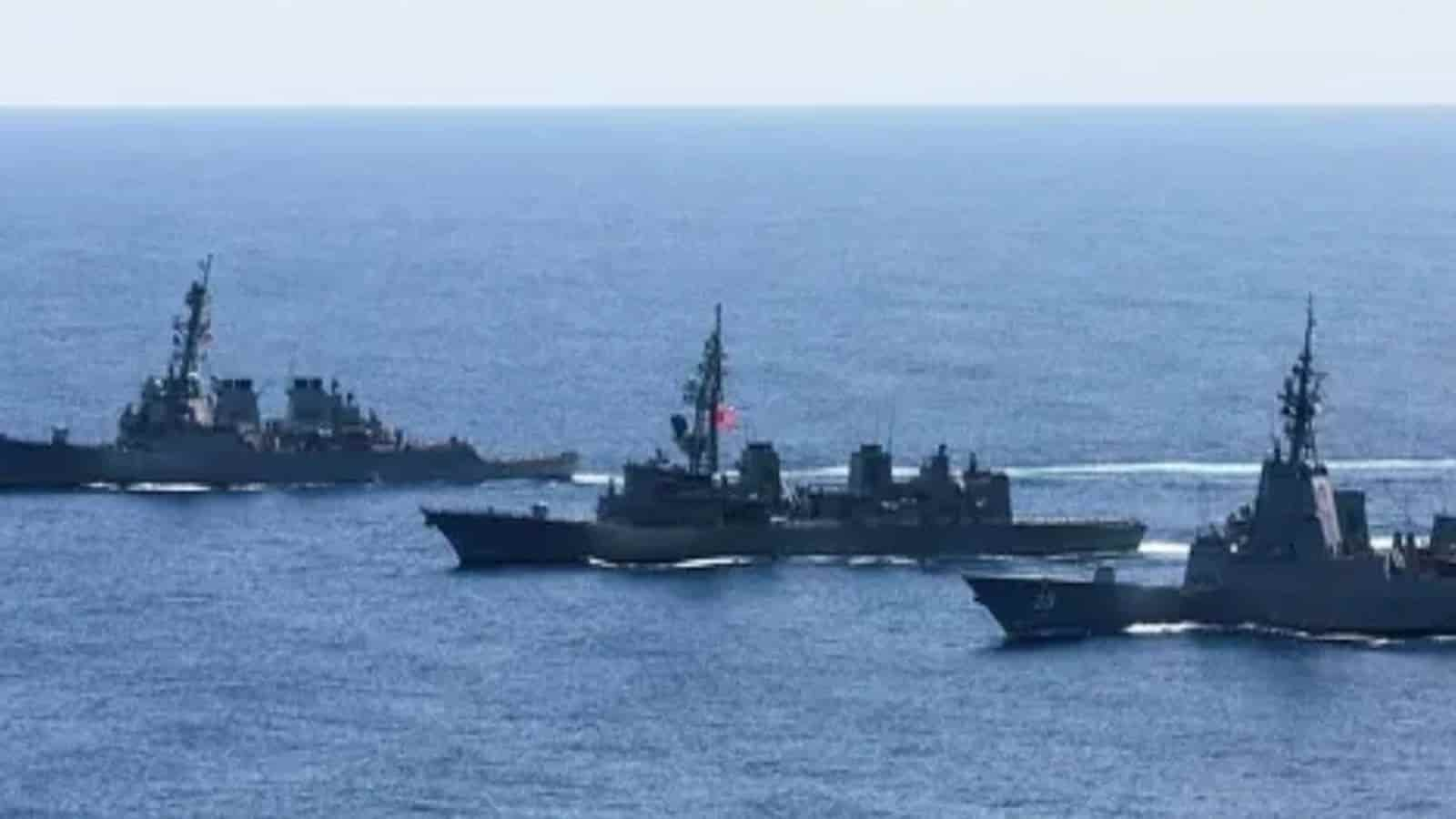
The Australian government announced on Tuesday that it will increase its defence spending by A$11.1 billion ($7.25 billion) over the next decade to purchase six ‘optionally crewed’ warships and 11 new frigates, doubling its fleet of combat-ready vessels.
There have been concerns regarding rising global geopolitical tensions and China’s growing influence among some Pacific island nations, which has led Australia to increase its defence capabilities.
According to the government’s plan, the navy’s surface combatant fleet will eventually increase from 11 to 26, the largest since the end of the Second World War.
“What is critically important to understand is that as we look forward, with an uncertain world in terms of great power contest, we’ll have a dramatically different capability in the mid-2030s to what we have now,” Marles told reporters.
“That is what we are planning for and that is what we are building.”
Block II Boxer Vehicle: Australian troops supported the testing
The government’s defence strategic review out last year said intense competition between the U.S. and China was defining the Pacific region, and that the major power competition had “potential for conflict”.
Marles claims that the Large Optionally-Crewed Surface Vessels (LSOVs), which the United States is currently developing and can operate remotely, will significantly improve the navy’s long-range strike capability.
Despite Australia’s plans to provide crews for these vessels, they may enter service by the middle of the 2030s.
In addition, Australia will accelerate procurement of 11 general-purpose frigates to replace its aging ANZAC-class ships, with the first three being built overseas and entering service by 2030.
Marles said the latest funding would bring the total cost for the future surface fleet to A$54 billion, with the government estimating that its defence spending would increase from 2.1% to 2.4% by the early 2030s.
“This decision we are making right now sees a significant increase in defence spending … and it is needed, given the complexity of the strategic circumstances that our country faces,” Marles said.
