

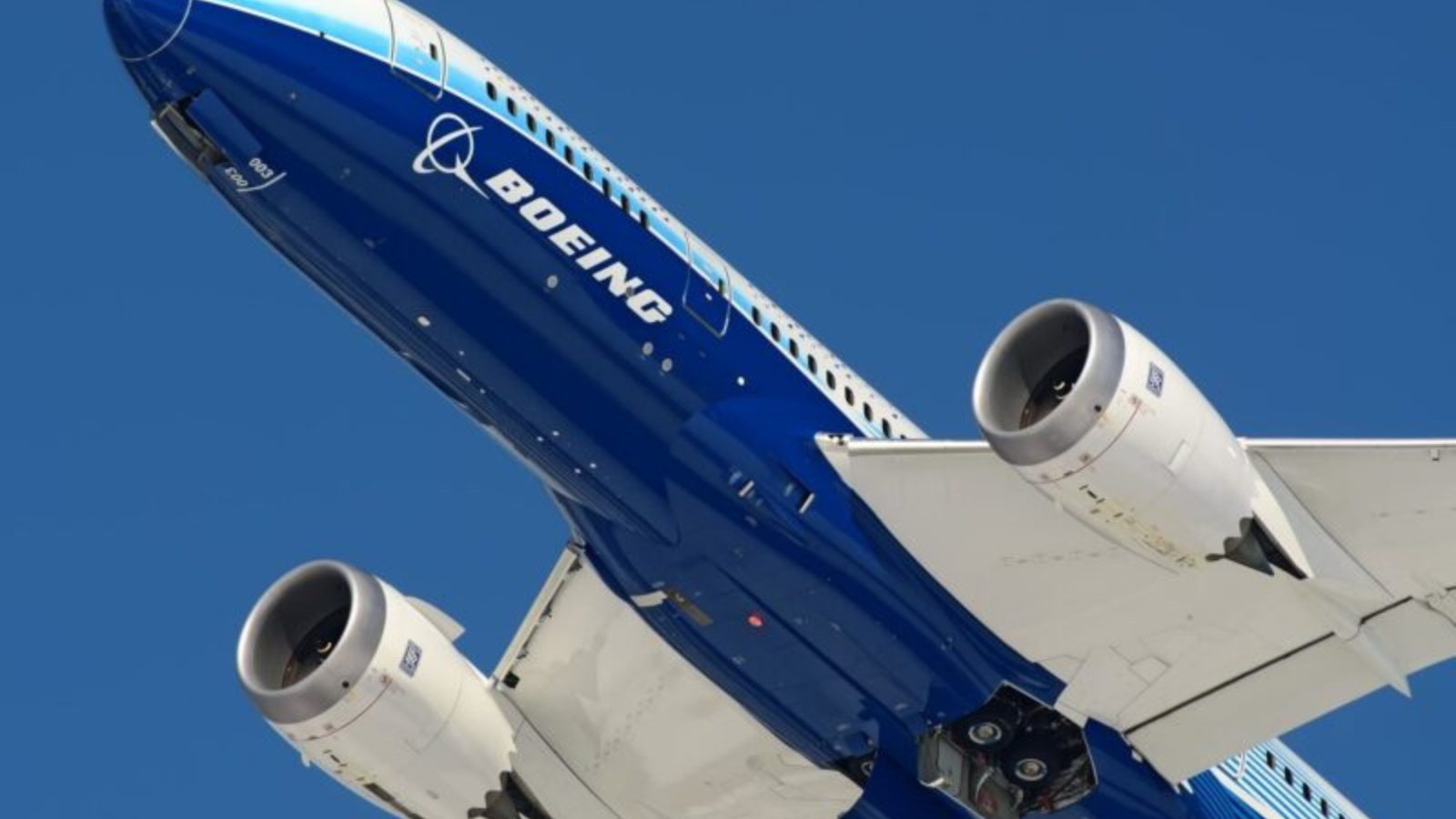
Middle East aircraft fleet: Boeing predicts that the number of commercial aircraft in the Middle East would soar, more than double by 2042. Over the next 20 years, the aviation giant projects that there will be a significant demand in the region for about 3,025 additional aircraft. According to manufacturer projections, around 1,570 of the total will be narrow-body aircraft, while at least 1,350 will be wide-body aircraft.
In anticipation of the Dubai Airshow, Boeing released its Commercial Market Outlook (CMO) on November 12th, which projects a notable expansion in the wide-body market. According to the estimate, 45% of all aircraft deliveries to the Middle East would be wide-body aircraft during the next 20 years.
The CMO states that while low-cost airlines (LCCs) and short-haul networks continue to grow and expand, the region’s narrow-body fleet is also anticipated to more than double. By 2042, narrow-body aircraft will make up about half of the Middle East fleet, according to Boeing’s projections.
According to the firm, there will be 180 freighters in the area by the end of the forecast year. Of these, it is expected that one third would be used to replace older, less fuel-efficient jets, while the other two-thirds will help increase air traffic and freight.
German Cooperation with Indian Air Force: Discussion on enhancing both the air forces.
Boeing predicts a twofold increase in the Middle East aircraft fleet
Numerous airlines operating in the area link major cities in Asia, Africa, and Europe through expanding hubs that enable effective connectivity. Consequently, a greater percentage of widebody aircraft are required to transport more passengers, according to the prognosis.
The Middle East is becoming a major centre for international air travel as a result of the airlines operating there, according to Darren Hulst, Vice President of Commercial Marketing at Boeing.
Due to notable economic growth and national development goals, the demand for freight and air transport is still increasing. According to Hulst, Boeing goods will be prepared to satisfy market demands as airlines in the region would need effective and adaptable fleet solutions.
An estimated $335 billion in demand for aviation services, such as aircraft maintenance, repair, training, and spare parts supply, should result from the anticipated growth of the Middle East fleet.
