

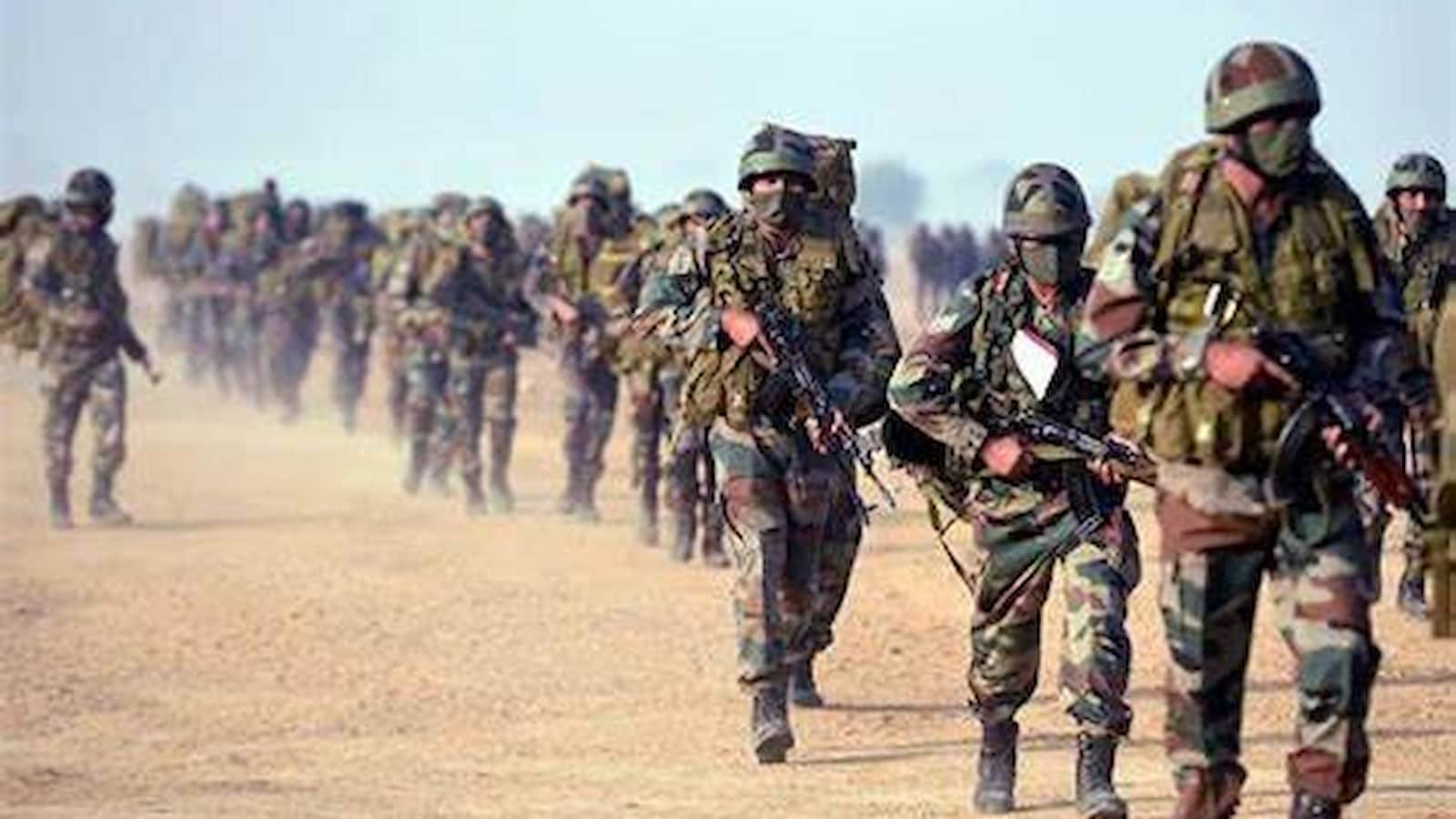
India’s Small Arms Factories Crisis: India’s three small arms factories faced very low demand from the armed forces between 2015-16 and 2019-20. A Public Accounts Committee report based on the CAG audit said the factories had “either no demand or very little demand” for weapons such as the 5.56 mm INSAS rifle, 5.56 mm light machine gun and 9 mm auto pistol.
Because Army orders dropped, the factories depended more on the Ministry of Home Affairs (MHA). But those orders were also not enough to keep all three factories fully busy. The Army accounted for only around 10% of the total issues during this period.
The CAG audit covered Rifle Factory Ishapore, Small Arms Factory Kanpur and Ordnance Factory Trichy. These factories made rifles, machine guns, carbines and pistols for the armed forces, central forces and police organisations.
What Is Quantum Radar? Why AMCA Needs to Look Beyond RF Stealth: Former DRDO Director Explains
The panel said the Defence Ministry should create a “multi-year roll-on demand plan” covering the Army, MHA, state police forces and Advanced Weapons and Equipment India Limited (AWEIL). This would help prevent factories from sitting idle when demand suddenly falls.
Production problems led to losses and large stocks
The factories also struggled with high production costs. Their overhead expenses were high and their selling prices were often lower than the actual cost of making the weapons. This resulted in a cumulative loss of Rs 366 crore on 12 selected small arms between 2015-16 and 2019-20.
Production capacity was also badly underused. For major products such as the 5.56 mm INSAS rifle and 5.56 mm LMG, the factories used only a maximum of 29% of their available capacity during the five-year period.
The problem also created a large stockpile. By March 31, 2020, the three factories had inventory worth around Rs 641 crore. This was equal to 72% of their total production cost. Work-in-progress alone made up 56% of the inventory.
The panel also pointed to a problem between production warrants and advance payments. Production could continue even when the required payments had not arrived. It advised the factories to improve demand forecasting, stock checks and inventory management.
New weapons and R&D targets were missed
The factories also failed to meet several targets for developing newer small arms. The panel said the plan to create modern weapons “failed to meet the milestones and expectations” set under the 2016-17 to 2018-19 perspective plan.
Mumbai Start-Up Develops Indigenous Missile Cooler With DRDO Support
The R&D projects also “failed to meet their objectives”. During the audit period, the armed forces imported 7.62 X 51 mm assault, sniper and LMG weapons for operational needs. The panel said no R&D project was completed within its original deadline and some were closed early. It also found that different factories worked on weapons of the same calibre without properly combining their efforts.
The PAC recommended a stronger system to monitor R&D projects and better stock management. It also called for regular annual stock verification and the use of cost-efficiency targets.
After the audit period, the Ordnance Factory Board was dissolved. Its 41 factories were reorganised into seven defence public sector companies from October 1, 2021. The three small arms factories were placed under Kanpur-based AWEIL.
