

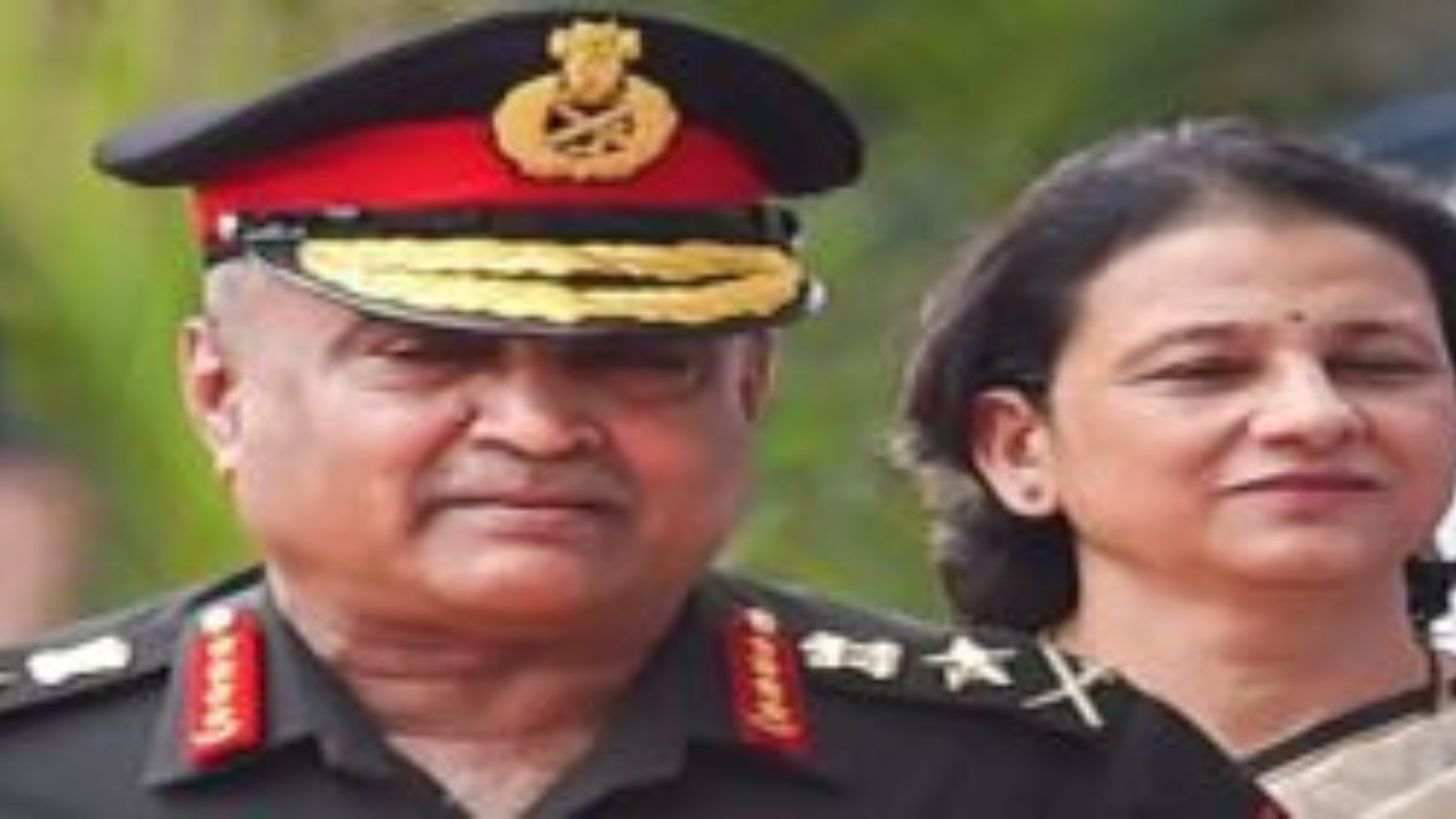
Agnipath Scheme: Chief General Manoj Pande of the Indian Army described the ‘Agnipath’ initiative as a “path-breaking” strategy for recruiting personnel on Thursday, emphasising that it will guarantee and advance the young demographic within the armed services.
In 2022, the armed forces enrolled soldiers as Agniveers for a four-year period under the Agnipath initiative. After that, they are free to reintegrate into society and work in various fields to pursue their desired careers.
Be In Sync With Advancements, Army Chief Addresses Military Engineer Services
Agnipath Scheme
“The Agniveer (Agnipath) scheme’s launch has been a ground-breaking approach to hiring and managing personnel in the field of human resource management. According to the Army chief, this will guarantee the young profile and introduce more digitally savvy and focused soldiers into the ranks and file.
Speaking at the College of Military Engineering‘s convocation and scroll presentation ceremony in Pune was General Pande. According to him, the plan also guarantees that the “best of the best” continue to serve as the military’s core personnel.
According to General Pande, as Agniveers are evaluated and kept in service solely on the basis of merit, their integration into the units and subunits is crucial.
“Each of you will play a significant role as local stakeholders in your units. Speaking to the graduating officers, he stated, “I want you to provide professional leadership and mentorship, both as expected from a good sub-unit commander.”
According to the top defence officer, during the past year, the Indian Army has undergone a transformation.
According to him, there are four main reasons why the transition is necessary: the evolving nature of conflict, the immense changes in the socioeconomic environment, the unprecedently strong tendencies in the geostrategic landscape, and the unbounded potential of destructive technology.
“We put in place a transformation road map a year ago to address these imperatives and impact the evolving design. In order to maintain focus and momentum across the broad pillars of the transformation road map, we have achieved good progress and good beginnings,” he stated.
