
Japan Drone-Mounted Quantum Sensors: Japan is planning a new way to search for submarines under the sea. The country’s Defence Ministry has included research on small quantum magnetic sensors in its fiscal 2027 budget request. The sensors are planned for use on small drones flying close to the sea surface. Japan aims to finish the development by fiscal 2031.
The idea is to use low-cost unmanned aircraft from warships. Instead of sending people into aircraft for every search mission, Japan could use drones to watch important sea areas. The plan is part of Tokyo’s wider push to bring unmanned systems into defence operations.
How the quantum sensors could find submarines
Quantum magnetic sensors can measure very tiny changes in a magnetic field. A submarine moving underwater can disturb the Earth’s magnetic field around it. A sensitive sensor may then pick up that change and help locate the vessel.
Japan wants the new sensor to be small enough for drones. The drones could work together with existing anti-submarine tools such as sonar and sonobuoys. This would give the Japanese military another layer for watching the sea.
There is still one big problem. Magnetic sensors don’t work over very long distances. Their short detection range means they aren’t a good choice for searching huge parts of the ocean by themselves. Defence expert Masashi Murano said they could be more useful around narrow and important sea routes.
China-bound or Pacific-bound submarines may have to pass through certain chokepoints. Japan could send many cheaper drones into these areas and keep checking for unusual magnetic signals.
Murano said crewed anti-submarine operations were “extraordinarily expensive per unit of ocean searched”. Using unmanned aircraft could help lower the cost and reduce the need to put aircrews at risk.
Japan already operates the P-1 maritime patrol aircraft for submarine-hunting missions. The new drones would not replace such aircraft. Instead, they could give Japan another option for watching selected areas.
China is working on similar technology
Japan isn’t alone in exploring quantum sensors for submarine detection. Chinese researchers have already reported tests of a drone-mounted quantum magnetic sensor at sea.
France Unveils Powerful Rafale F5 Upgrade As India Eyes Mega 114-Fighter Deal
A 2025 report said Chinese scientists had carried out offshore trials of a quantum sensor that could detect tiny magnetic changes. The work was also linked to seabed mapping and other uses.
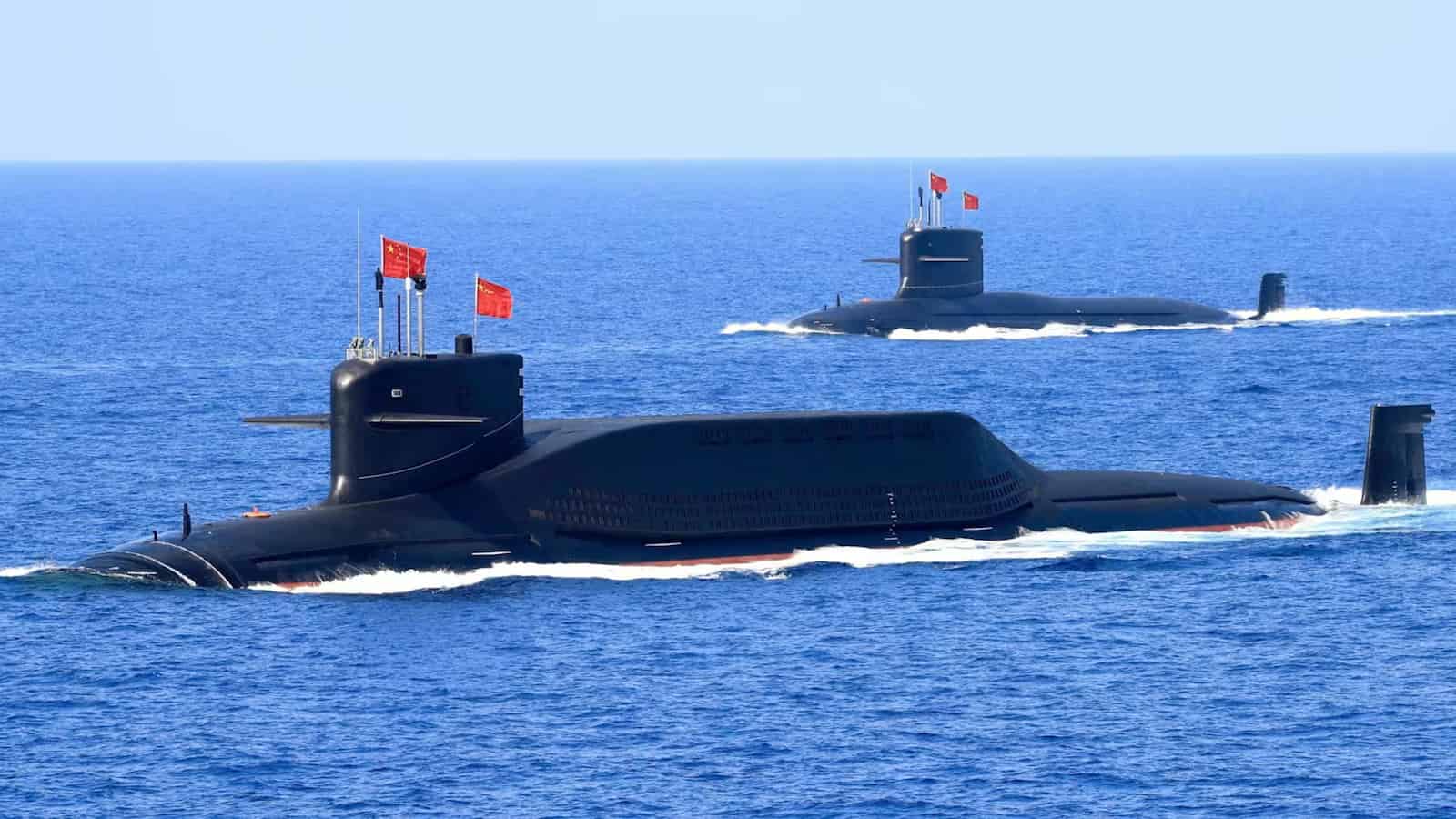
China has also built up several other anti-submarine capabilities. These include the Y-9Q maritime patrol aircraft and the shipborne Z-20F helicopter. China has also worked on Wing Loong drone versions that can carry and drop sonobuoys.
Sonobuoys are dropped into the water and listen for underwater sounds. Several of them can be used together to create a temporary network for tracking submarines.
China is also developing a wider ocean monitoring system using satellites, buoys, underwater gliders and seabed listening arrays. Parts of this large network have been described by analysts as an “Underwater Great Wall.”
The U.S. estimates that China’s submarine fleet could reach about 80 boats by 2035 as Beijing expands its shipbuilding capacity.
US and allies expand unmanned anti-submarine systems
The US and its partners are also working on unmanned tools for submarine warfare. General Atomics has tested the MQ-9B SeaGuardian with systems that can carry and release sonobuoys. The company says the aircraft can support persistent submarine tracking while reducing the cost and risks linked with crewed aircraft.
AUKUS partners, the US, UK and Australia, are also developing advanced payloads and systems for uncrewed underwater vehicles. Work under the first AUKUS Pillar II signature project is set for delivery from 2027.
Japan has also been testing underwater communication technology with AUKUS partners. Recent exercises have focused on helping autonomous maritime systems share information and work together underwater.
