


South Korean ADIZ Incursion: On December 9, 2025, South Korea’s military announced that two Chinese and seven Russian military aircraft briefly entered the air-defense identification zone (ADIZ) of the country, known as KADIZ, and then left. The aircraft were spotted around 10 a.m. (local time) off the east and south coasts of the Korean Peninsula.
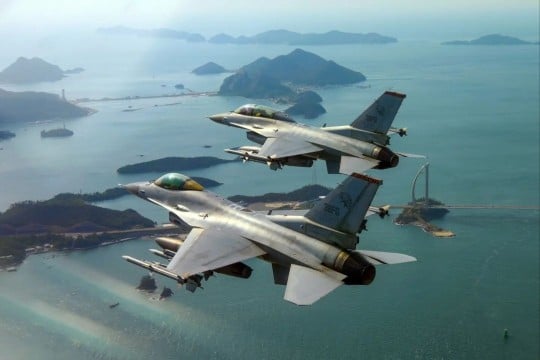
The intrusion led to the dispatch of South Korean fighter jets as a warning measure. The South Korean Joint Chiefs of Staff (JCS) said the intruding aircraft were detected before they entered the KADIZ, and although they were in the ADIZ for about an hour, no one violated South Korea’s airspace.
South Korean ADIZ Incursion
An ADIZ such as KADIZ is not the same as a country’s territorial airspace. It is a specially marked buffer zone where foreign aircraft must identify themselves to the country they are visiting in order to avert accidental clashes or misunderstandings.
Because ADIZs are unilaterally declared, there is no binding international treaty governing them. For that reason, nations such as Russia and sometimes China often do not recognize ADIZ boundaries, and consider their flights within international airspace.
Hence, while entering an ADIZ may trigger defensive measures (such as scrambling jets), it does not automatically constitute an airspace violation.
Army’s Southern Command Teams Up with YASHDA for Civil–Military Fusion Training
Details
The seven Russian and two Chinese planes entered KADIZ “in succession,” rather than as a tight formation, a pattern typical of previous joint patrols.
The incursion covered waters east (Sea of Japan / East Sea) and south of the Korean Peninsula.
The duration was brief, they remained inside KADIZ for approximately an hour before retreating.
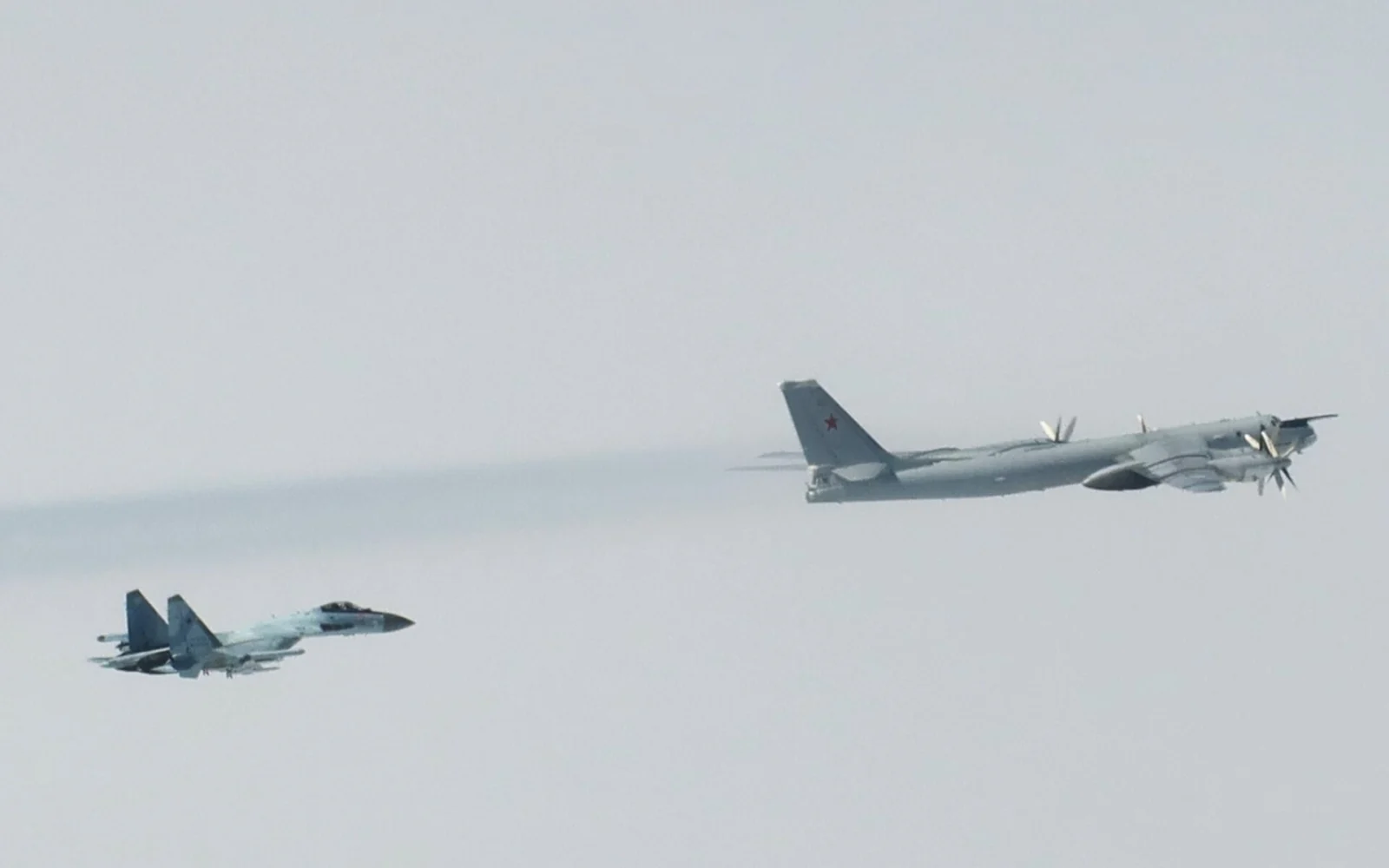
Importantly, there was no breach of South Korea’s sovereign airspace, as per the JCS.
This pattern periodic flights by Chinese and Russian aircraft into KADIZ has been recurring since at least 2019. Many times, the flights coincide with what China and Russia describe as “joint strategic air patrols,” conducted under their bilateral military cooperation agreements.
Regional and Strategic Implications
Although this incursion did not amount to a violation of airspace, such incursions, especially by multiple Chinese and Russian military planes, carry symbolic and strategic weight. First, they serve as a demonstration of military coordination between China and Russia, signaling their ability to operate in tandem near contested or sensitive regions.
Second, such flights test the readiness and response protocols of neighbouring countries. South Korea by scrambling fighters and radar-tracking intruders indicates that it keeps a very close watch on any aerial activities around its border, which is both a deterrent and a declaration of its firmness.
The third point is that, without giving any prior notice, continuously crossing into KADIZ can be considered as an escalator of geopolitical tension in East Asia. Such actions could be seen by South Korea (and conceivably by its partners) as provocations, especially taking into account the global security situation, which, among other things, is marked by territorial disputes, power balances, and various alliances.
What the Countries Involved Say?
South Korea reacts with official and procedural measures. The JCS on a regular basis detects the presence of unidentified aircraft, after which they are categorized as foreign bombers or fighters. Subsequently, jets are scrambled and the situation is kept under surveillance till the aircraft leave the ADIZ.
According to both China and Russia, their flights are in fact regular joint patrols or exercises in “international airspace,” where they are only exercising their rights under the bilateral agreements in force.
For someone following international security developments in East Asia, this incident is a vivid example of the delicate balancing act among regional powers:
For South Korea, the prompt detection and response reaffirms its vigilance and readiness, but also underscores how closely its security is tied to decisions by distant states like China or Russia.
For China and Russia, such joint air operations near Korea send a message of strategic cooperation, flexibility, and sphere-projection beyond their immediate neighbourhood.
