

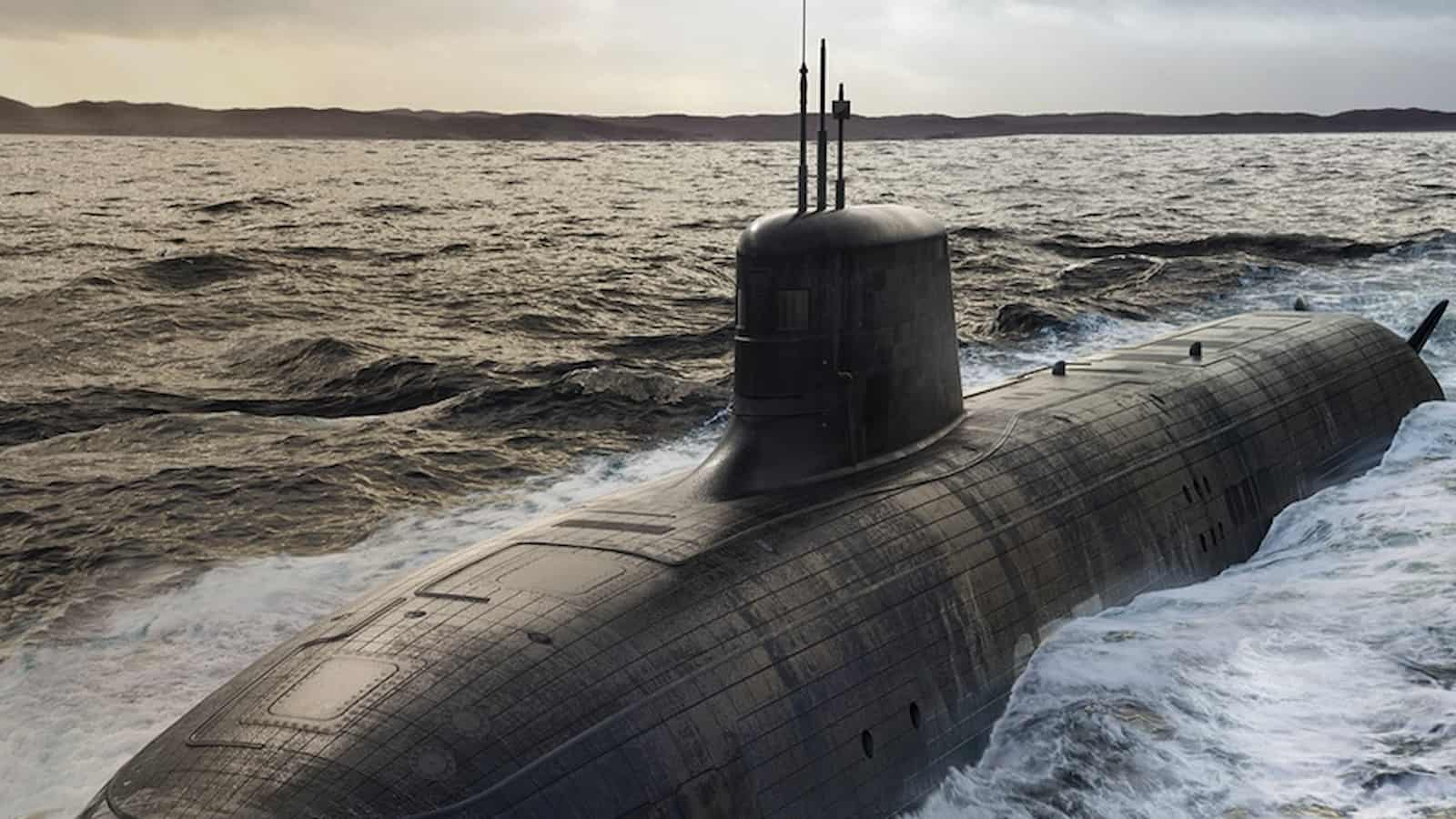
Russian Spy Devices in UK: British military sources now believe Russia might have secretly placed spy sensors under the sea near the UK to watch the movement of British nuclear submarines. These sensors seem to be trying to track the Royal Navy’s Vanguard-class submarines. These submarines carry the UK’s nuclear missiles and always stay hidden underwater as part of Britain’s defence plan. The Royal Navy makes sure at least one submarine is always on patrol. These submarines are designed to stay quiet and hidden. So, any effort to track them is a serious danger to the country’s safety.
DRDO Develops Laser Weapon to Tackle Aerial Attacks, Puts It Among World’s Best
Russia’s ambassador to the UK, Andrei Kelin, did not deny the reports when he spoke on BBC One. When someone asked him if he disagreed with the claims about the sensors, he said, “No. I am not going to deny it, but I wonder whether we really have an interest in following all the British submarines with very old outdated nuclear warheads.” But he also said that Russia is not a threat and called the fear “extremely exaggerated.”
The Sunday Times was the first to share the news about these sensors. According to them, the British military found the devices and now sees them as a big security concern. Experts think this might be part of Russia’s “grey zone” war method. This means they are doing secret actions without starting a real war. This kind of silent war can include attacks on important things like energy pipelines, undersea cables, and internet wires.
Concerns About Russia’s Undersea Activities
UK Defence Secretary John Healey has already said that the Royal Navy has been watching Russian warships that come close to British waters. One of those ships is called Boikiy. Another Russian ship, named Yantar, was seen near important underwater sites. Some experts believe it is a spy ship that gathers secret information.
The Ministry of Defence has promised to protect the UK’s underwater systems and respond to any threats. Former defence minister Tobias Ellwood warned that the UK is falling behind in monitoring Russia’s deep-sea activity. He said Russia may have built seabed platforms near the UK that charge mini-submarines, which could be mapping undersea internet and communication cables..
British military experts believe Russia’s Main Directorate of Deep-Sea Research, also called GUGI, is behind these actions. This part of the Russian Navy uses small nuclear submarines that can dive very deep. These submarines can cut, break, or even spy on undersea internet cables and other important systems.
The UK has about 60 undersea internet cables that connect it to other countries. Some of these are top secret because they carry sensitive information. Many of the cables across the Atlantic are important for money systems and banks. If anything happens to these cables, it could badly affect global finance and Western economies.
Long-Range Glide Bomb ‘Gaurav’ Successfully Tested from Sukhoi Jet
In the last 15 months, at least 11 undersea internet cables in the Baltic Sea were damaged. Officials say ships dragging their anchors may have caused the damage, but there is growing fear that Russia may be doing this on purpose. Some people believe that Russian billionaires might be using their superyachts to help with these undersea spying tasks.
UK’s Response to the Sea Threat
The UK government launched a new defence project called Cabot to protect undersea systems from future attacks. It is working with energy and tech companies on this mission. The Royal Navy added two new ships, RFA Proteus and RFA Stirling Castle, to boost undersea monitoring and respond quickly when needed.
Captain Simon Pressdee, one of the senior officers involved in the response efforts, told The Sunday Times, “Our role is to both defeat any threats to the UK and take them out of the grey zone. We do the latter by understanding who is involved and providing that evidence to avoid misunderstandings and hold those who threaten the UK accountable for their actions.”
The Ministry of Defence also said it is using new tools like artificial intelligence to protect undersea security. The UK is also teaming up with NATO and other allies to patrol and guard shared waters. A spokesperson from the MoD said, “We are strengthening our response to make sure Russian ships and aircraft cannot operate secretly near the UK or NATO territory.”
