

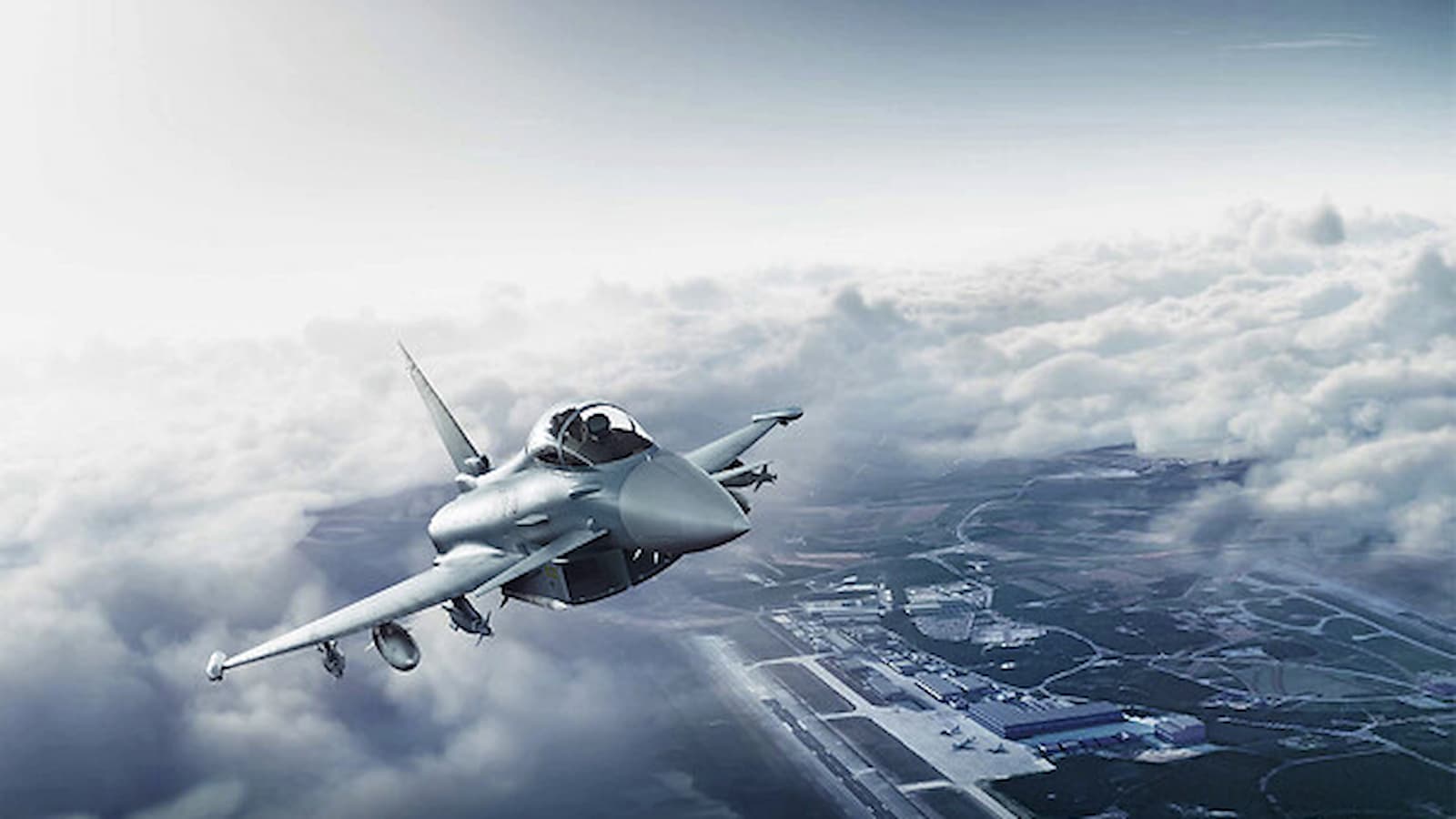
Japan’s AI-Controlled Aircraft: The AI drone program, unveiled at the Technology Symposium 2024 in Tokyo, showcases a groundbreaking blend of advanced robotics and artificial intelligence aimed at redefining modern aviation technology.
Colonel Michitaka Ikeda, the Director of the Second Development Office for Aviation Equipment within Japan’s Defense Equipment Agency, shared critical insights into the initiative. He emphasized that the program focuses on enhancing autonomous decision-making capabilities, enabling drones to adapt to complex scenarios with minimal human intervention.
The initiative represents a strategic leap forward for Japan’s defense technology, integrating cutting-edge AI algorithms with robust, high-performance drones designed for both reconnaissance and combat applications.
Rigorous Testing and AI Safety Measures
The Japan Ministry of Defense (MOD) has outlined an extensive testing plan for 2026 and 2027 to ensure the reliability and safety of its AI-powered drones. During this period, the drones will undergo rigorous flight trials designed to:
Air Force Commanders Focus on Multi-Domain Warfare Readiness at Annual Meet
- Validate differences between simulated and real-world flight conditions.
- Assess AI decision-making in simulated combat scenarios.
- Gradually increase the complexity of engagements, starting from one-on-one air combat to two-on-two scenarios.
Safety as a Top Priority
Safety is a cornerstone of the program. According to Indiandefencereview, The MOD has implemented a robust backup safety system to complement the AI’s decision-making capabilities. This system is critical for preventing potential hazards like mid-air collisions or ground impacts, addressing the unpredictability inherent in AI systems.
The MOD is also committed to comprehensive evaluations by interchanging AI components developed by different companies. This approach ensures variations in AI capability are assessed for their impact on flight performance and decision-making in various operational contexts.
Collaborative Research and Future Implications
Japan’s AI drone program is part of a broader initiative to enhance automation and autonomy in defense technologies. The Ministry of Defense (MOD) highlights the importance of collaboration across multiple research projects to optimize outcomes. Key areas of focus include integrating diverse findings to develop a new generation of AI-controlled drones that are both technologically advanced and operationally safe.
This comprehensive approach aims to revolutionize aerial combat and reconnaissance missions, setting new standards in military aviation.
Who Pilots the $1 Billion Air India One Fleet and Other VVIP Aircraft?
| Research Area | Objective |
|---|---|
| Combat Support AI | Develop AI capable of autonomous decision-making based on sensor data and real-time observations |
| Hazard Detection | Enhance drone reliability through improved detection of airspace collisions and other potential risks |
| Operational Safety | Ensure safe adaptation to changing combat scenarios while reducing risks to human personnel |
Beyond Defense: Civilian Applications
The implications of Japan’s AI-powered drones extend beyond national defense. As AI technology advances, its potential applications in civilian aviation and other industries could be transformative. Successful integration of AI in military drones may pave the way for innovations in commercial aviation, leading to safer and more efficient air travel.
While Japan leads in AI-powered aviation, other nations are also advancing military technology. For example, the U.S. Army has deployed AI systems capable of striking 1,000 targets per hour, showcasing the rapid evolution of AI-driven defense systems. These advancements are poised to reshape modern warfare and international relations, emphasizing the need for responsible development and ethical deployment of AI in military contexts.
