

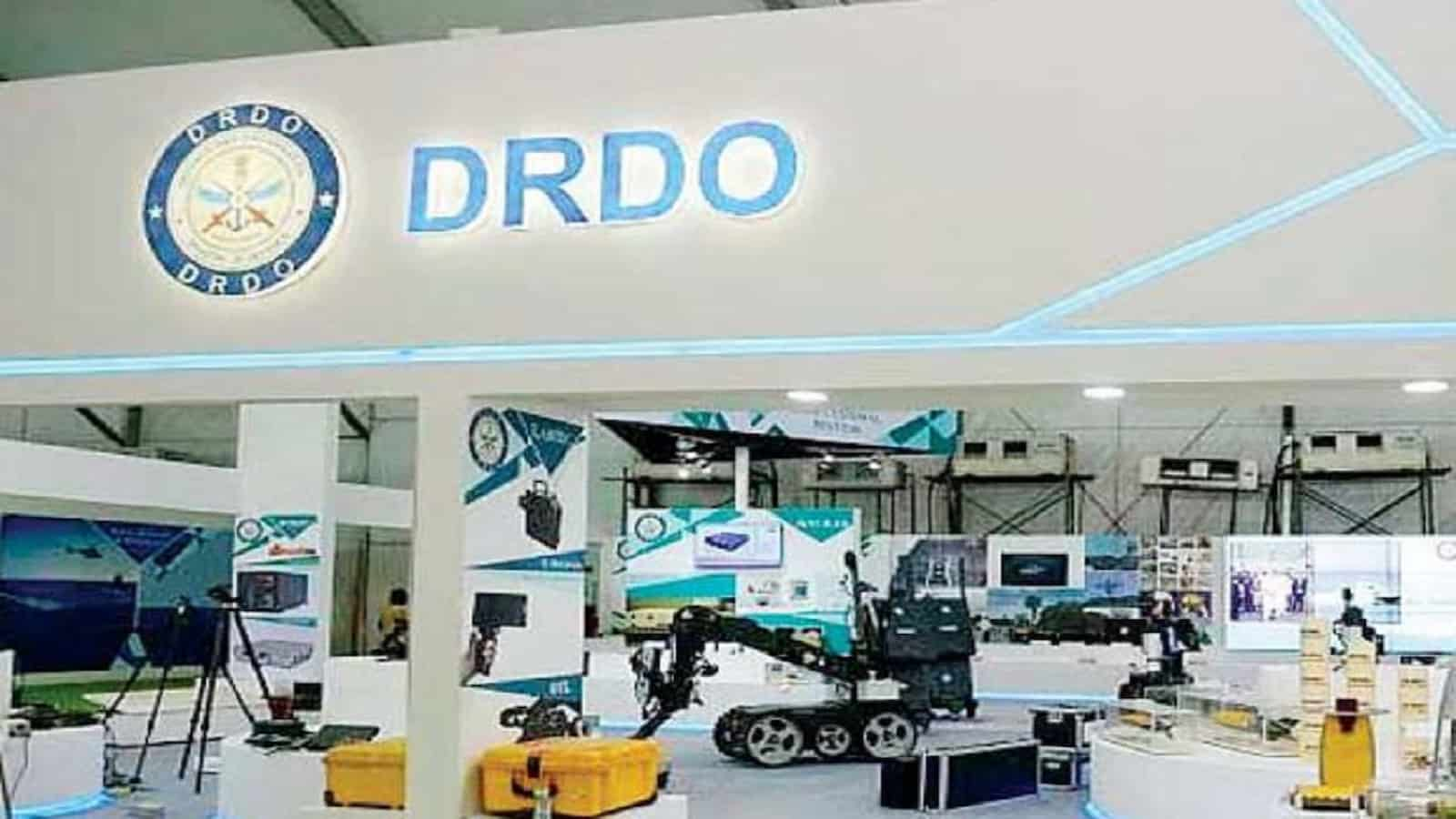
DRDO advanced materials technologies: The Defence Research and Development Organisation has given three new materials technologies to Indian industry partners, the defence ministry said on Thursday. The handover took place in Hyderabad at the Defence Metallurgical Research Laboratory, also called DMRL, on August 30. At this event, Samir V Kamat, who is the Secretary of the Department of Defence R&D and also the Chairman of DRDO, handed the Licensing Agreement for Transfer of Technology documents to the chosen partners.
India and Russia Discuss Extra S-400 Missile Supplies: Report
The ministry explained that DMRL in Hyderabad has developed these advanced materials and is now sharing them with industries so they can be produced on a larger scale for defence use. During the same event, DMRL also signed an MoU with the Aircraft Accident Investigation Bureau of the Ministry of Civil Aviation, reported Business Standard. This MoU will allow the bureau to use the lab’s knowledge, facilities, and skills to help in their work.
Details of the new materials
First technology
The first technology that was transferred is for making strong radomes, which are protective covers that shield missile sensors. This has been given to BHEL in Jagdishpur. The goal is to help India make high-quality radomes on its own, which will be used in important missile projects and reduce dependence on outside sources.
Second technology
Another technology that went to industry is the process for making DMR-1700 steel sheets and plates. These materials are very special because they have ultrahigh strength and at the same time very high toughness at room temperature. This technology has been given to JSPL at Angul for defence-related work.
Motilal Oswal Defence ETF jumps 41% in 6 months, see top holdings
Third technology
The third transfer involves DMR 249A HSLA steel plates, which are used for naval ships. HSLA means high-strength low-alloy. This technology has gone to Bhilai Steel Plant of SAIL. These plates meet very strict requirements in terms of strength, size, and quality, and they will play an important role in building strong naval vessels for the Indian Navy.
At the event, Samir V Kamat praised the scientists and engineers for their hard work in research and development and also for successfully completing these technology transfers. He said the commitment shown by DMRL to work with industries and push new innovations will make a big difference in the future.
