

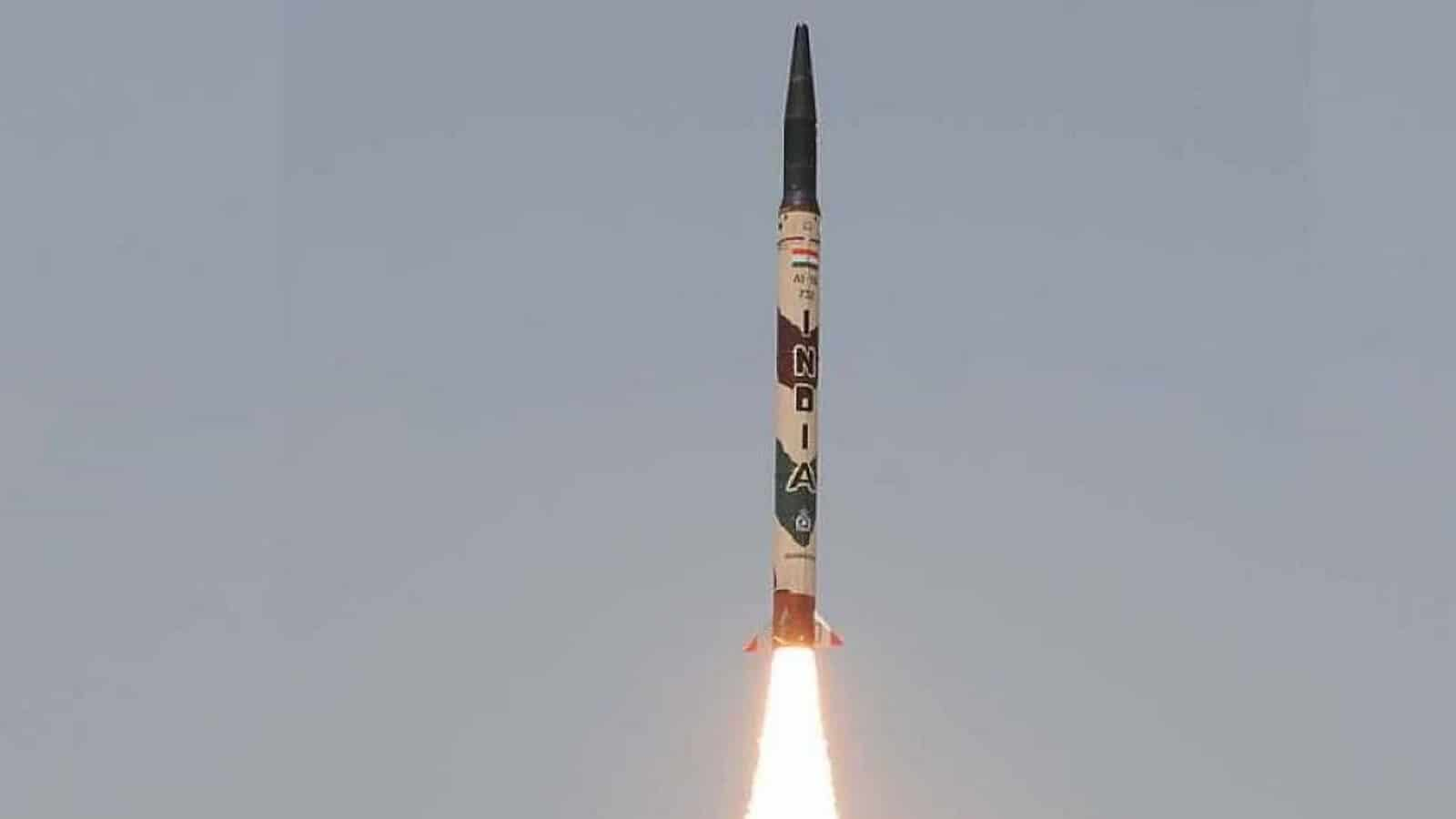
Indian missiles: India’s missile work has changed fast in the last few years. The government says that defence factories made goods worth Rs. 1,27,434 crore in the year 2023-24. It also says India now makes almost 65% of the defence stuff it needs, which is very different from ten years ago when India had to import 65% from other countries.
Missiles now sit among the most “made in India” items, and many people say these systems have more than 80% parts made inside the country. DRDO designs most of these missiles, but many state factories and private companies now help build and send them to the forces.
Here are the features and details about the Tejas Fighter Jet
Long and Short Range Missiles
Agni

The Agni family plays a very big role in India’s long range defence. These missiles make up the country’s main strategic strength. The Ministry of Defence said that the Agni-Prime finished a full-operational-configuration test in September 2025 when it used a rail-mobile launcher.
People who study this programme say the Agni missiles use almost 90% Indian parts, including the guidance system, the composite motor parts and the engines. All Agni missiles can carry nuclear weapons. The Agni-V can fly more than 5,000 km and gives India very strong nuclear defence. Agni-I and Agni-II help cover the shorter but still important strategic distances.
Prithvi
oldiers tested Prithvi-II and Agni-I again in July 2025 and found them ready for frontline use. Prithvi-II can go about 350 km and aims to hit targets with very good accuracy. Prithvi-III helps the Navy and can support aircraft at sea. The Prithvi line is more than 85% Indian-made now.
BrahMos
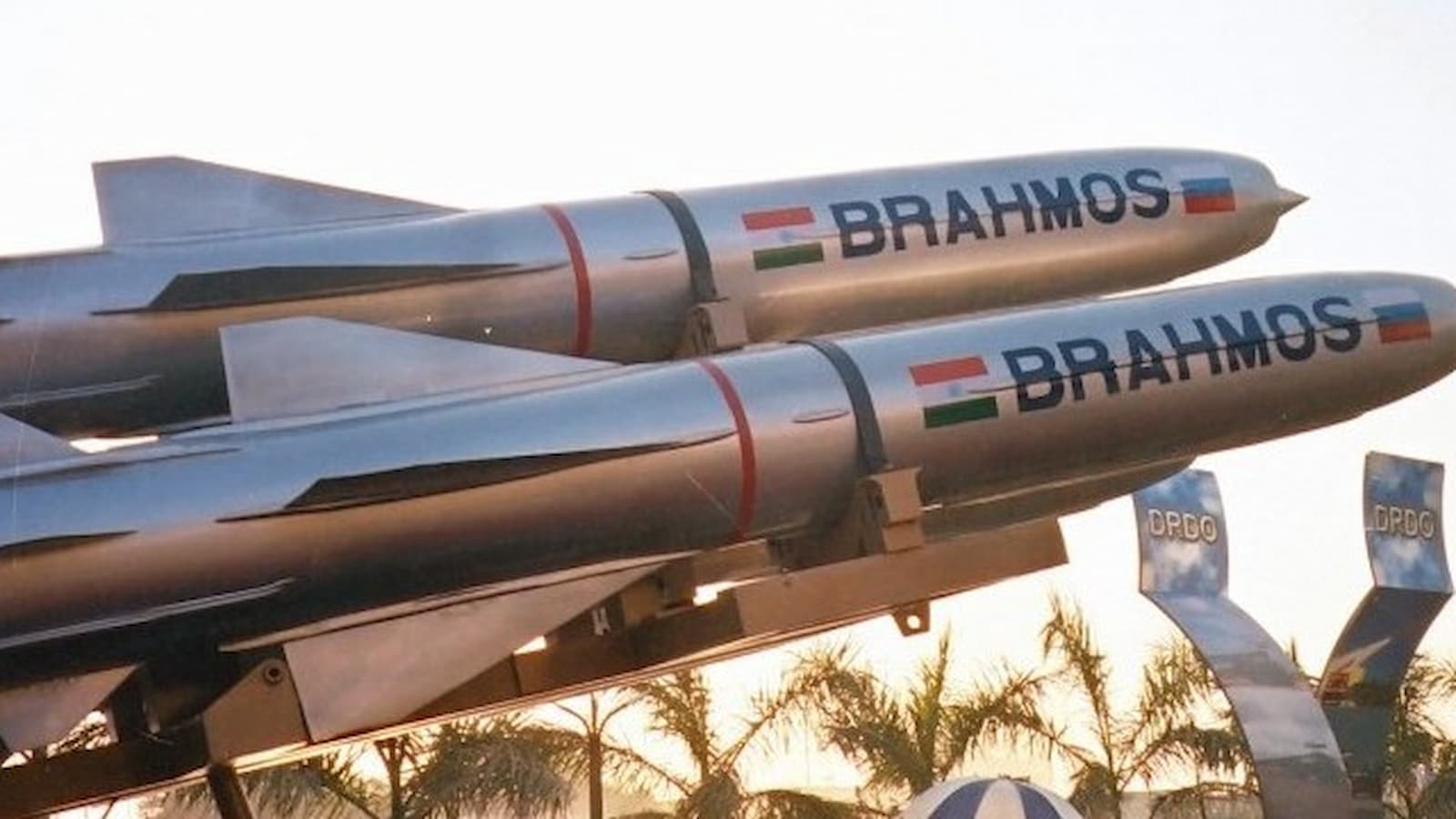
BrahMos is the most well-known cruise missile India has right now. It is a joint design project, so its Indian content is about 70%. India is trying to raise this level and is now making seekers, engine parts and control units inside the country. The factory in Lucknow plans to make 100–150 BrahMos missiles every year by 2026. BrahMos works from land, ships and aircraft and can fly fast over the sea or hit deep targets
CRPF DG Gyanendra Pratap Singh at IIM Rohtak: “India’s Youth Will Decide the Nation’s Direction”
Akash air defence

The Akash air defence system uses about 96% Indian-made parts and the armed forces use it in many places. The Integrated Air Defence Weapon System also moved forward in August 2025. It includes Quick Reaction Surface to Air Missiles, a Very Short Range Air Defence System and even a laser-based Directed Energy Weapon. The Ministry of Defence said these systems passed flight tests. With these tools, India can build a full air defence layer without using old foreign systems like the Russian S-125 or older Israeli parts.
Pinaka rockets

Factories are raising production of Pinaka rockets, guided artillery rounds, loitering weapons and anti-radiation missiles like Rudram. Government lists say India now makes more than 14,000 components at home and banned more than 3,000 items from import. Pinaka rockets in particular have grown into a major home-grown artillery system and some other nations want to buy them.
India’s total defence production reached Rs. 1,50,590 crore in 2024-25 and exports climbed to Rs. 23,622 crore, which the government calls the highest ever. Cruise missiles and guided systems form a large part of the export orders coming in.
