
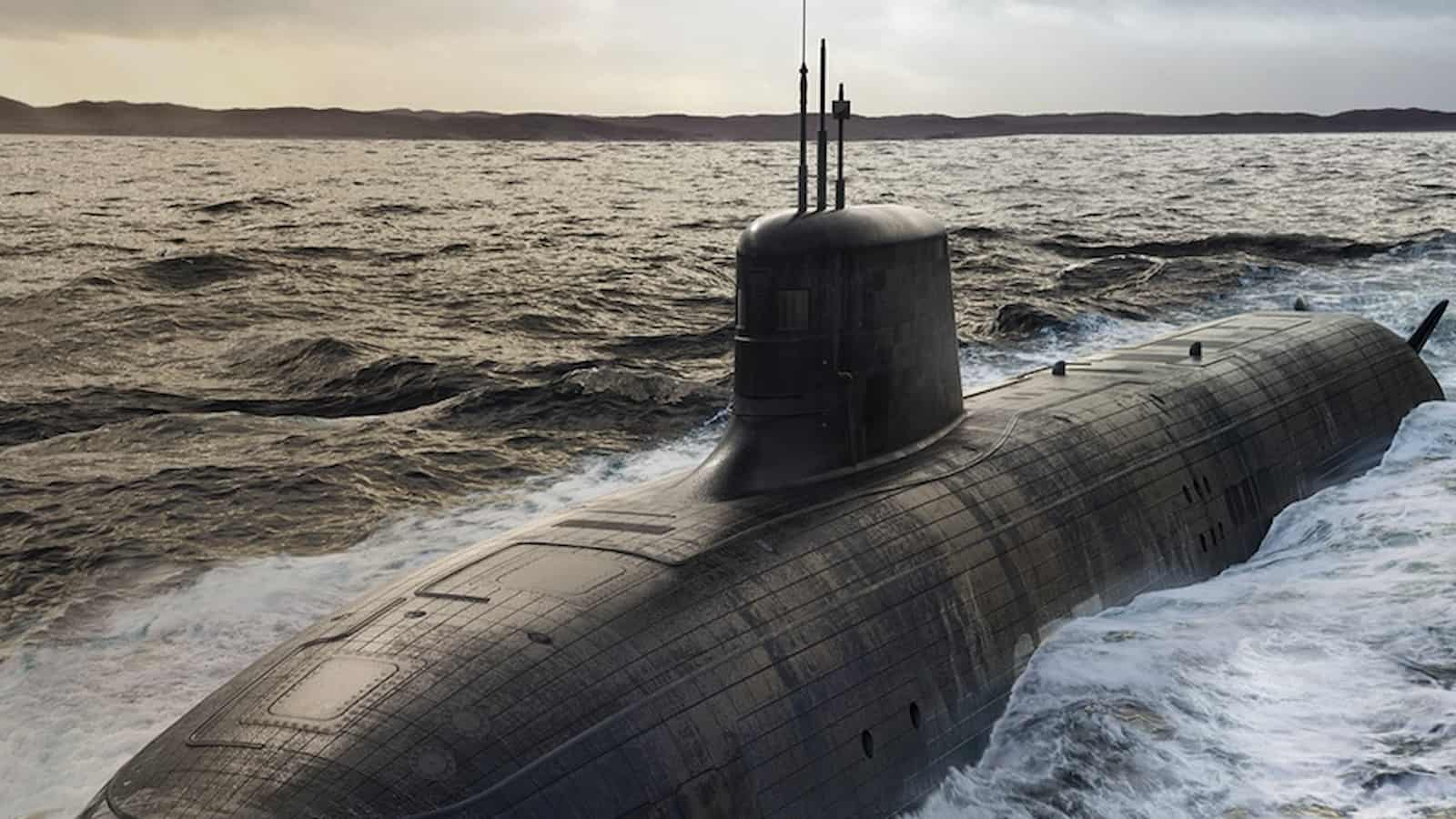
India–Russia $2B Nuclear Submarine Deal: The governments of India and Russia have reached agreement on a significant defence deal under which India will lease a nuclear-powered attack submarine from Russia, at an estimated cost of about US$ 2 billion.
The timing of the announcement is notable: the deal was finalised just ahead of Russian President Vladimir Putin’s visit to New Delhi for the annual India–Russia Summit.
According to people familiar with the matter, the agreement comes after nearly a decade of negotiations, indicating that the two countries had been negotiating undersea-capability cooperation for years before landing on mutually acceptable terms.
India–Russia $2B Nuclear Submarine Deal
The leased vessel is described as a nuclear-powered “attack” submarine, a stealthy, high-end platform designed for undersea operations, anti-ship/anti-submarine missions, reconnaissance, and power-projection, rather than for strategic nuclear missile deterrence.
Indian defence sources suggest this submarine will be larger and more advanced than the two nuclear-powered submarines previously operated by the Indian Navy via lease from Russia.
The lease is reportedly for 10 years, including maintenance support. During this period, India can use the boat to train its sailors, build experience in operating nuclear-powered subs, and refine its nuclear-boat operations, especially useful while India proceeds with building its own indigenous vessels.
Notably, the agreement stipulates that the leased vessel will not be used in active war. Its primary role is to function as a training and capability-building platform for the Indian Navy.
Generally, a nuclear-powered submarine (SSN) has lots of advantages over a traditional diesel-electric submarine. These advantages include a much longer stay under the water, a faster transit, a quiet operation, and a much larger range to name a few. Thus such submarines are ideal for prolonged deep-sea, low-intensity operations, rendezvous and other such activities in far-away waters.
With India’s growing maritime interests especially amid increasing naval presence of other powers in the Indian Ocean and Indo-Pacific region such a submarine strengthens the country’s underwater warfare and deterrence posture.
Bridging a Critical Capability Gap
India’s indigenous submarine-building programs are underway, but developing nuclear-powered attack submarines domestically is complex and time-consuming. Leasing a submarine from Russia provides a sensible way to gain operational experience with nuclear-powered subs, train crews, and build institutional expertise, thus, it goes along with the domestic build-up.
Essentially this transaction acts as a “bridge solution” supporting the retention and enhancement of naval undersea capabilities that India is investing in “Make in India” submarine programmes.
Strategic Deterrence and Naval Balance
Even though the leased submarine is not intended for a strategic nuclear deterrence (i.e. it will not be equipped with long-range nuclear missiles), its presence strengthens India’s conventional undersea warfare capability. This is a good fit with India’s other submarine and naval assets, thus, it is a significant contribution to India’s wider maritime strategy in the Indian Ocean region, which aims at countering the increasing naval activity of other powers.
Anti-Submarine Warfare Craft ‘Mahe’ To Be Commissioned On Nov 24
India’s Submarine History, the Lease Model & Why Russia?
India previously operated nuclear-powered submarines leased from Russia. The first such lease was in 1988, and another followed in 2012 (commonly known as INS Chakra).
The 2019 agreement between India and Russia aimed to provide a new submarine, often referred to in media as “Chakra III”. That sub was expected to be delivered by 2025.
However, due to complexities including technical issues, refurbishment needs, and delays (compounded by global events), the earlier delivery timeline was reportedly pushed back.
In this context, the fresh $2 billion lease deal marks the culmination of renewed negotiations, with both sides apparently willing to finalise terms despite earlier delays.
Choosing Russia again is logical: historically, Russia has remained India’s key partner in submarine technology and lease-based transfer; and nuclear-powered submarine technology remains a niche domain only a handful of countries in the world possess it.
Timeline & What to Expect?
According to defence ministry informed sources, India expects delivery of the leased submarine within two years, though they caution that “complexity of the project” could lead to delays.
Once delivered and refurbished/integrated into Indian Navy standards, the submarine will undergo trials, crew training and commissioning. The leasing arrangement (10-year period) will give India time to both operate a top-class submarine and simultaneously continue its indigenous submarine-building programmes.
In parallel, India is continuing to expand its submarine fleet through other channels: conventional diesel-electric submarines (via foreign collaboration), and indigenous nuclear-powered submarines for strategic missions.
