

TattvaX Cohort 2 Defence: India is putting more focus on home-grown technology for defence, drones and space. To support this effort, i-Hub Gujarat and deeptech organisation SanchiConnect have joined hands for the second cohort of the TattvaX Acceleration Program.
The programme is aimed at startups building difficult and advanced technologies. It gives founders help with technology, business planning, investors and industry connections. The larger goal is to help Indian startups take their ideas from the development stage to products that can actually be used in the market.
TattvaX Cohort 2 is a 90-day programme focused on startups working in defence, drones, space and other important emerging technologies. The programme was planned with pilot opportunities, expert mentoring, workshops and investor access. Applications for the second cohort were open from April 15 to May 16, 2026.
Mumbai Start-Up Develops Indigenous Missile Cooler With DRDO Support
TattvaX 2.0 Focuses on Defence, Drones and Space
The second cohort comes at a time when India is trying to build more technology inside the country instead of depending heavily on foreign systems. Startups can play an important role in this area because they can work on smaller and specialised technologies that may later be used by larger companies and government agencies.
The programme covers areas such as defence systems, drones and UAVs, space technology, robotics, sensors, embedded systems, edge AI, real-time systems and cybersecurity hardware. It also looks at technologies such as open-source hardware and power optimisation.
For deeptech startups, making a working product is only one part of the problem. They also need customers, testing opportunities, funding and help with government and industry rules. TattvaX is designed to help with these areas through one-to-one mentoring, workshops and access to possible pilot and proof-of-concept projects.
The programme is also meant to help startups become more ready for the market. The official programme details say startups can get access to corporate and government agencies for testing their solutions. This can help founders understand whether their technology works in real-world conditions and what changes may be needed before wider use.
BEL Takes DRDO’s Indigenous Laser Weapon To Global Defence Market
From Technology Ideas to Real Products
The partnership between i-Hub Gujarat and SanchiConnect goes beyond simply giving startups a place to work. The organisations are trying to connect founders with people who can help them turn research and prototypes into businesses.
SanchiConnect describes its approach as building focused deeptech ecosystems. The idea is to bring startups closer to investors, companies, government bodies and other people who understand the needs of the sector.
This is especially important for defence and aerospace startups. These companies often need more time to develop products and may have to go through testing and validation before they can find large customers. For that reason, access to industry experts and pilot projects can be just as important as funding.
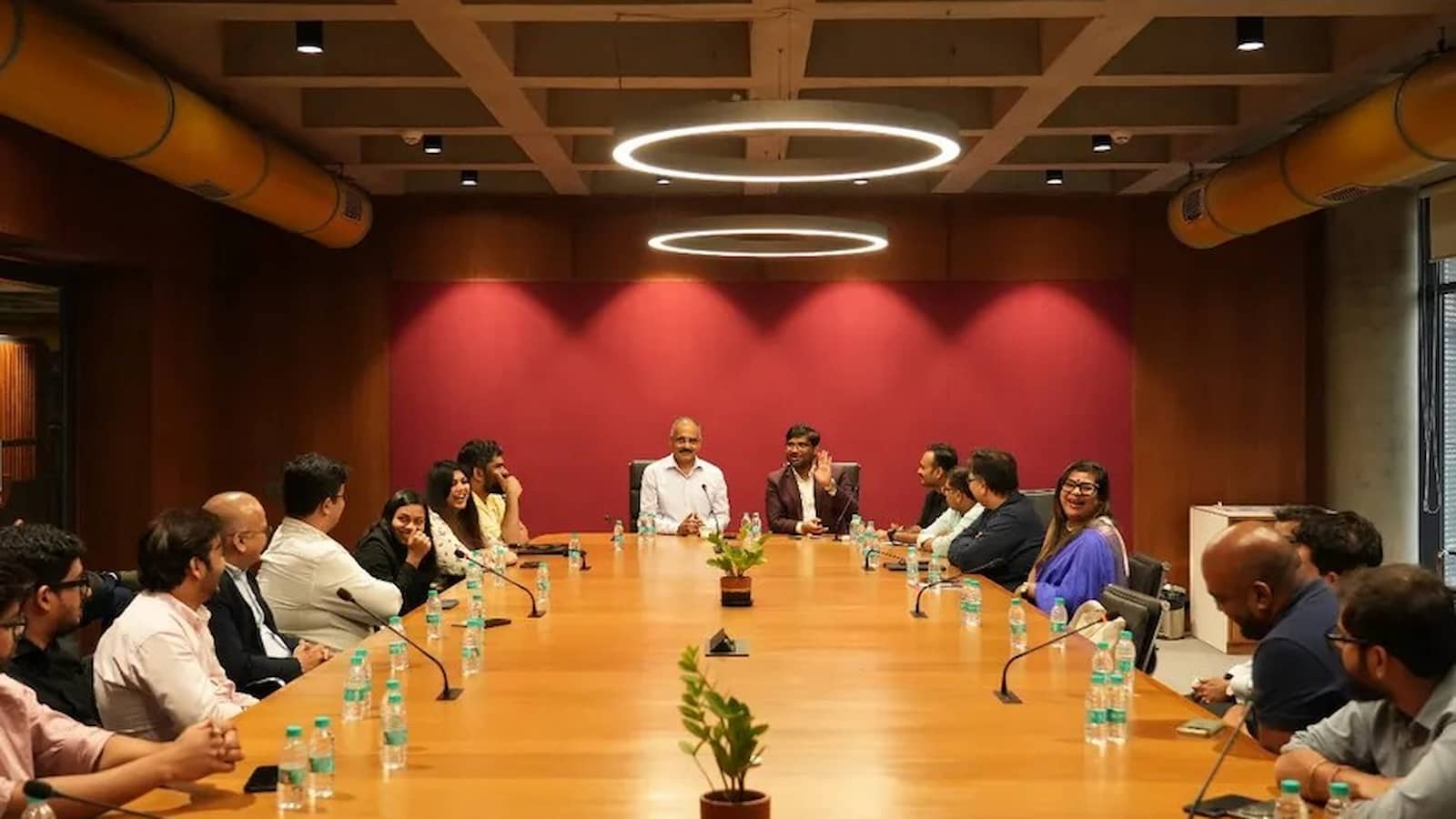
The second cohort has also included practical sessions on areas such as corporate pilot partnerships, intellectual property and fundraising. During the June 10 bootcamp, founders were advised on how to understand customer needs, run pilot projects and turn early projects into commercial opportunities. Another session explained how patents, trademarks, copyrights, designs and trade secrets can help protect deeptech products.
The programme is not limited to Gujarat-based startups either. Its official information says startups from across India can apply. The programme is also equity-free and comes at no cost to participating startups.
