
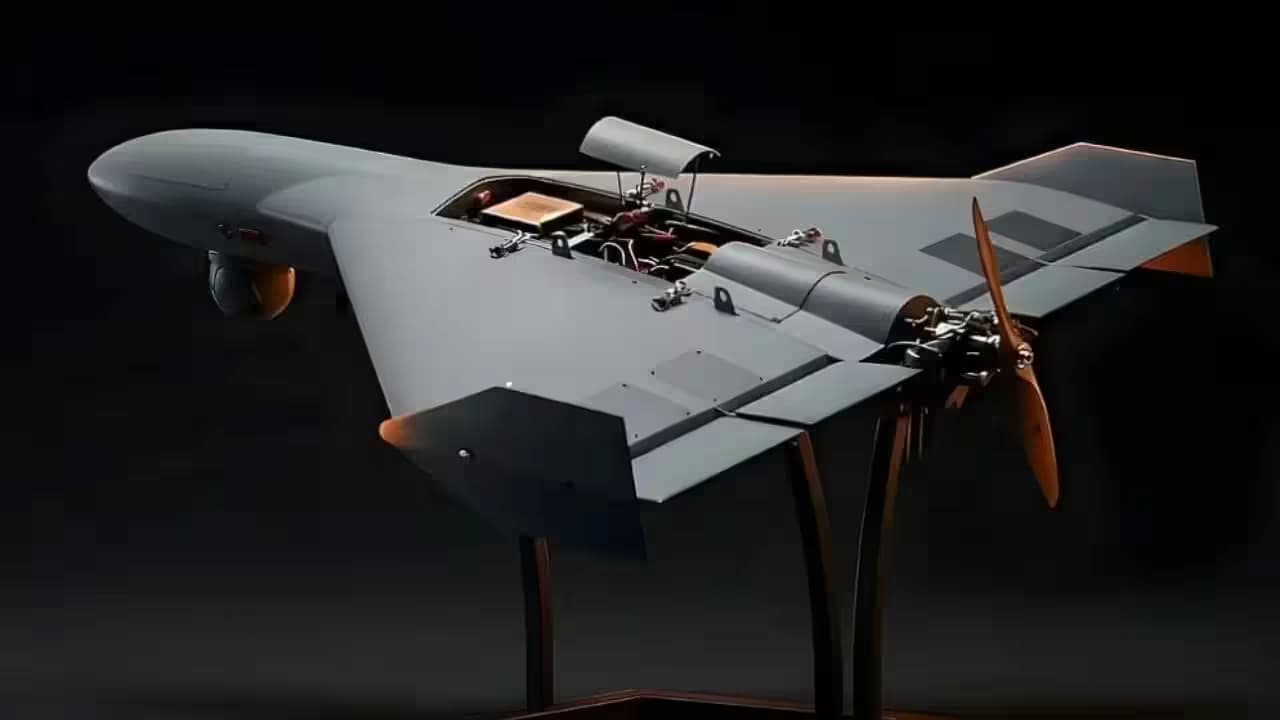
Hoverit RATO Booster: Lucknow-based defence startup Hoverit has developed and tested its own Rocket-Assisted Take-Off (RATO) system in just 60 days. The new system was announced on November 20, 2026. It was also used to launch the company’s Divyastra Mk1 loitering munition during a live flight trial.
The RATO system has been reported as a 1.2 kN-class booster. Hoverit’s team handled the work from the first design stage to the final flight test without using imported subsystems.
Why Did Hoverit Build Its Own RATO System?
Hoverit first looked at RATO systems available in international markets. But the company found that foreign options were expensive and could take several months to arrive. This led the team to develop a system locally instead of depending on overseas suppliers.
The company managed the main stages of the work itself. These included system design, manufacturing, propellant integration, fitting the booster with the aircraft and live flight testing. Hoverit says this follows the IDDM model, which means Indigenously Designed, Developed and Manufactured. It also gives the company more control over future changes and production, reported Defence.in.
A RATO booster gives an aircraft extra thrust during take-off. This helps it gain speed and become airborne without needing a long runway. It can be useful for unmanned aircraft operating from small or difficult locations.
Saurav Singh Bhadauria, co-founder of Hoverit, explained the benefit in an interview with Startup Pedia. He said, “Traditionally, launching such unmanned systems requires a dedicated launch infrastructure. However, with our RATO system, we can launch rockets from a much smaller space, even from an area as small as 5×5 feet,” He added, “This allows us to deploy the system from locations where conventional launch arrangements may not be practical,”
According to the Defence.in report, the booster also went through three static firing tests before its live flight trial. These tests checked its ignition, thrust and launch cradle strength. The system could help support launches from vehicles, ships and forward areas.
Premier Explosives Gets Rs 311 Crore International Defence Order, Check Details
Divyastra Mk1 and its Capabilities
The RATO system was tested with Hoverit’s Divyastra Mk1. It’s an AI-enabled loitering munition designed for intelligence gathering, surveillance, reconnaissance, decoy work and precision-strike missions.
According to Hoverit’s official website, the aircraft has an operational range of up to 500 km and can remain in the air for up to five hours. It can carry a 15 kg payload and has a stated attack speed of 300 to 400 kmph. It also has autonomous flight controls and AI-based swarm features for coordinated operations involving multiple drones. The company reports an indigenous component rate of around 95%.
This isn’t the first major demonstration of Divyastra Mk1. In June 2026, Hoverit demonstrated the aircraft before senior Indian Army officials in the Jodhpur desert. It was launched multiple times from a vehicle-mounted mobile launcher and tested in temperatures above 50°C. The demonstration also included surveillance and reconnaissance work.
Hoverit Plans a Bigger RATO Booster
With the 1.2 kN-class system now tested in flight, Hoverit is looking at bigger platforms. The Defence.in report says the startup has started developing an 8 kN-class booster, equal to 8,000 newtons of thrust. It’s intended for heavier and longer-range unmanned aircraft that the company plans to develop in the future.
