

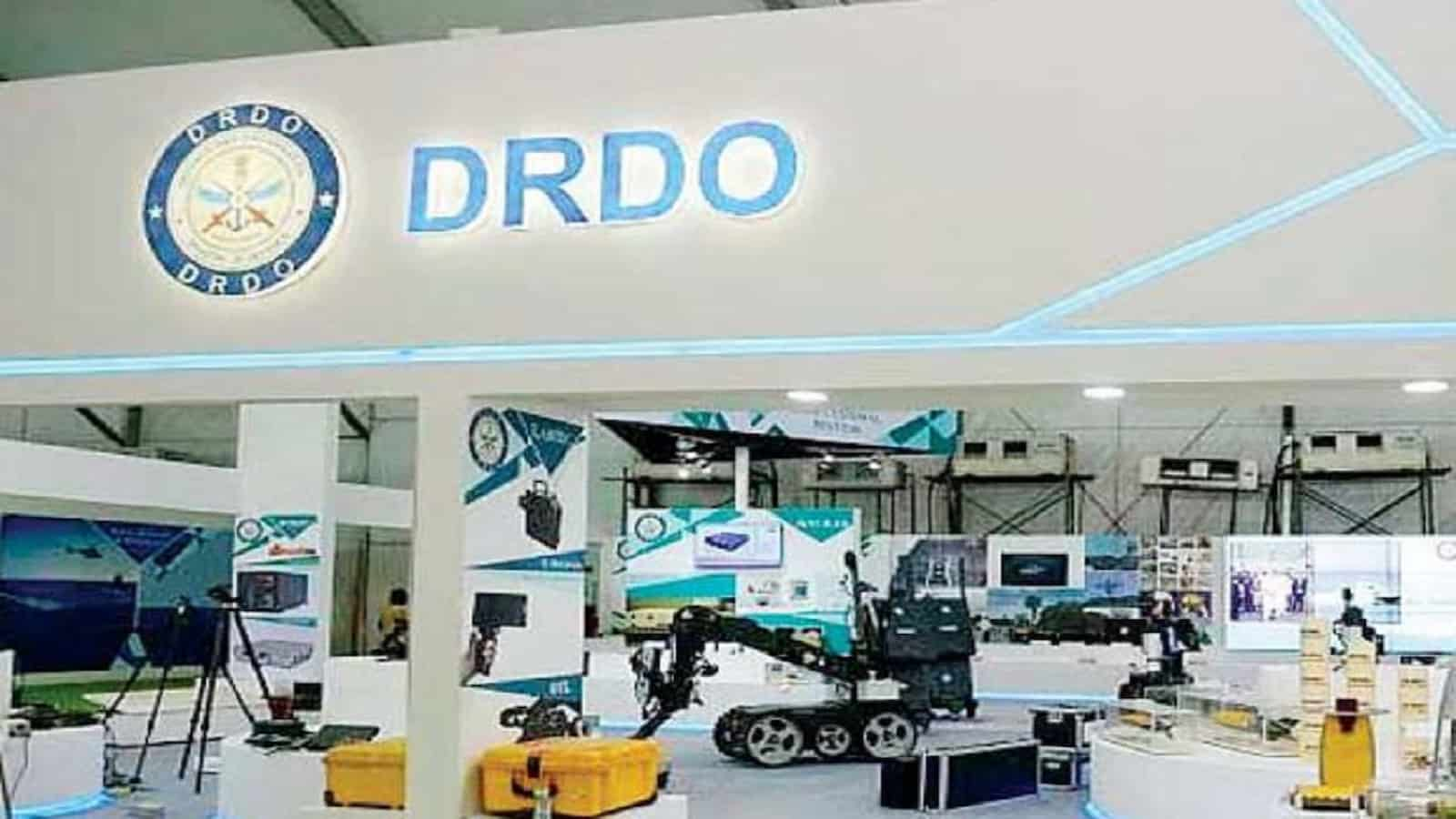
148 Defence Tech Projects: Over the past three years the Ministry of Defence has approved 148 technology projects aimed at strengthening India’s indigenisation drive, a targeted push to design, develop and manufacture more defence equipment and critical components in the country rather than importing them. According to the data shared by the Minister of State for Defence, Sanjay Seth in the Rajya Sabha on Monday, the actual expenditure of the Department of DefenceSanjay Seth in the Rajya Sabha on Monday, the actual expenditure of the Department of Defence Research and Development has been on the rise for the last three years. It went up from Rs 20,585.78 crore in 2022-23 to Rs 22,927.50 crore in 2023-24 and further to Rs 24,696.94 crore in 2024-25. The budgetary estimates for 2025-26 are at Rs 26,816.82 crore.
“The projects sanctioned through TDF have also seen a lot of success with 26 technologies successfully developed and two of the project systems flown in space as part of the PSLV mission,” the minister said.
148 Defence Tech Projects
Indigenisation in defence isn’t just patriotic rhetoric, it affects prices, supply security, jobs, startups, and technological sovereignty. When the ministry sanctions tech projects, it usually means funding, testing, or formal procurement pathways for home-grown prototypes.
That reduces reliance on foreign OEMs, shortens lead times during crises, and opens up business opportunities for Indian industry partners, private firms and research establishments. The government is also building digital and policy infrastructure (for example, portals and schemes for vendors and innovators) to make it easier for industry and startups to find opportunities and scale.
Where the money and programs are going?
The rise in DRDO/Department expenditure shows the state is putting real resources behind R&D and tech transition to industry. Beyond direct project funding, initiatives such as the SRIJAN indigenisation portal (which catalogs imported items and potential targets for domestic manufacturing), and schemes under iDEX (including the ADITI sub-scheme for critical tech) help innovators connect with defence requirements and funding pipelines.
These platforms are designed so a small supplier or startup can discover what the armed forces need, propose a solution, and track procurement or transfer-of-technology opportunities.
Microcap Textile Firm Jumps 4% Following Fresh Orders From DRDO and Reliance Industries
What kinds of projects are likely included?
Although a single headline (148 projects) doesn’t list each project, the broader ecosystem and recent ministry priorities show a few recurring themes: unmanned systems (UAVs/UUVs), sensors and communications (secure radios, datalinks), electronic warfare and cyber tools, propulsion and power-systems, advanced materials and composites, missile subsystems, and C4ISR software platforms. Recent policy emphasis on “emerging and critical technologies” means projects often target areas that were earlier highly import-dependent. These are areas where Indian startups, PSUs and DRDO labs have been encouraged to collaborate.
How projects move from “sanctioned” to “used by forces”?
A sanctioned tech project typically follows:
1. Concept and R&D funding →
2. Prototype development and trials (often with an Army/Navy/Air Force user agency) →
3. Final technical clearance and production transfer (sometimes via DPSUs, OFB, or private industry) →
4. Induction into service or procurement order.
The Defence Acquisition Procedure (DAP) and schemes like iDEX, plus portals like SRIJAN, help institutionalize this pipeline so that successful prototypes can reach production faster. Understanding these stages is useful if you’re a startup seeking to supply the armed forces or a policy watcher tracking indigenisation progress.
Because the government is increasing R&D spending and approving specific tech projects, expect: incremental reduction in imports for some high-value sub-systems, more defence R&D jobs and incubators, a clearer pathway for startups to bid for defence work, and over time higher defence production numbers and exports. The ministry’s recent reporting shows record growth in indigenous defence production value in recent years, a trend these tech projects are intended to accelerate.
