
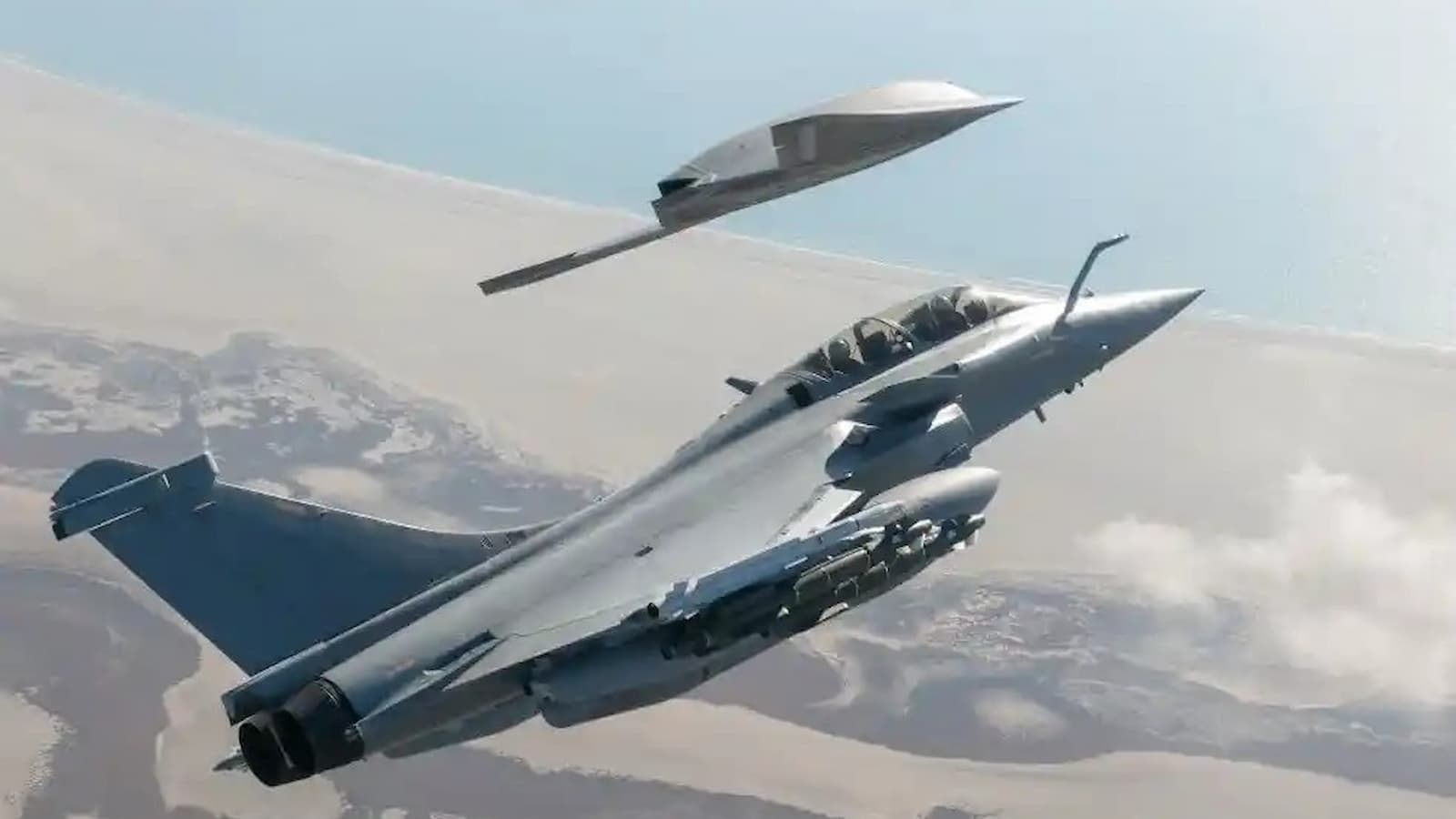
MUM-T Systems: The Indian Army is moving ahead with Manned-Unmanned Teaming, also called MUM-T. The idea is to make human soldiers and unmanned machines work together during military missions.
Under this approach, manned tanks and other Army platforms can work with drones and unmanned ground vehicles. The machines can collect information, move into risky areas and support soldiers while people remain at a safer distance. The Army has listed MUM-T among the technologies it is developing for future warfare. DRDO is also working on technologies for unmanned ground vehicles, autonomous navigation and human-machine teaming.
The Armoured Corps is also looking at ways to connect unmanned systems with its tank fleet. A recent Army document said MUM-T architecture is being brought into its operational planning so that unmanned aerial systems and unmanned ground vehicles can work with main battle tanks.
Bina Refinery Dispatches First XWG Diesel Rake; Here’s How It Helps in Extreme Cold
How will Drones and Unmanned Vehicles help?
The system is meant to connect different machines through a common network. Drones can be used to watch the battlefield from the air while ground robots can move ahead of troops for surveillance or other dangerous tasks.
The unmanned vehicles can use cameras and other sensors to understand their surroundings. Technologies such as mapping, navigation, obstacle detection and secure communications can help these machines move with less direct control. DRDO is already working on autonomous navigation for unmanned ground combat vehicles and technology for natural-language interfaces in manned-unmanned teaming.
The Army is also studying autonomous systems that can take on high-risk jobs. These can include reconnaissance, moving into dangerous areas, breaching obstacles or acting as decoys. The aim is to keep soldiers out of some of the most dangerous parts of a mission while still giving commanders more information.
Why MUM-T in future warfare
Modern battlefields are becoming more dependent on drones, sensors, artificial intelligence and fast communication. The Army has said its transformation plans are focused on AI, drones, counter-drone systems and MUM-T. It is also working with Indian industry, start-ups, DRDO and academic institutions to develop these technologies in the country.
India Boosts Maritime Surveillance With ₹1,943 Crore Lease Deal for 2 MQ-9B Sea Guardians
MUM-T could also help older Army platforms find a new role. In 2026, the Army began looking for an Indian industry partner to convert T-72 tanks into autonomous armoured fighting vehicle platforms. The planned work involves robotics, sensors, automation and navigation. The converted vehicles could operate alongside manned tanks as part of the MUM-T system.
