
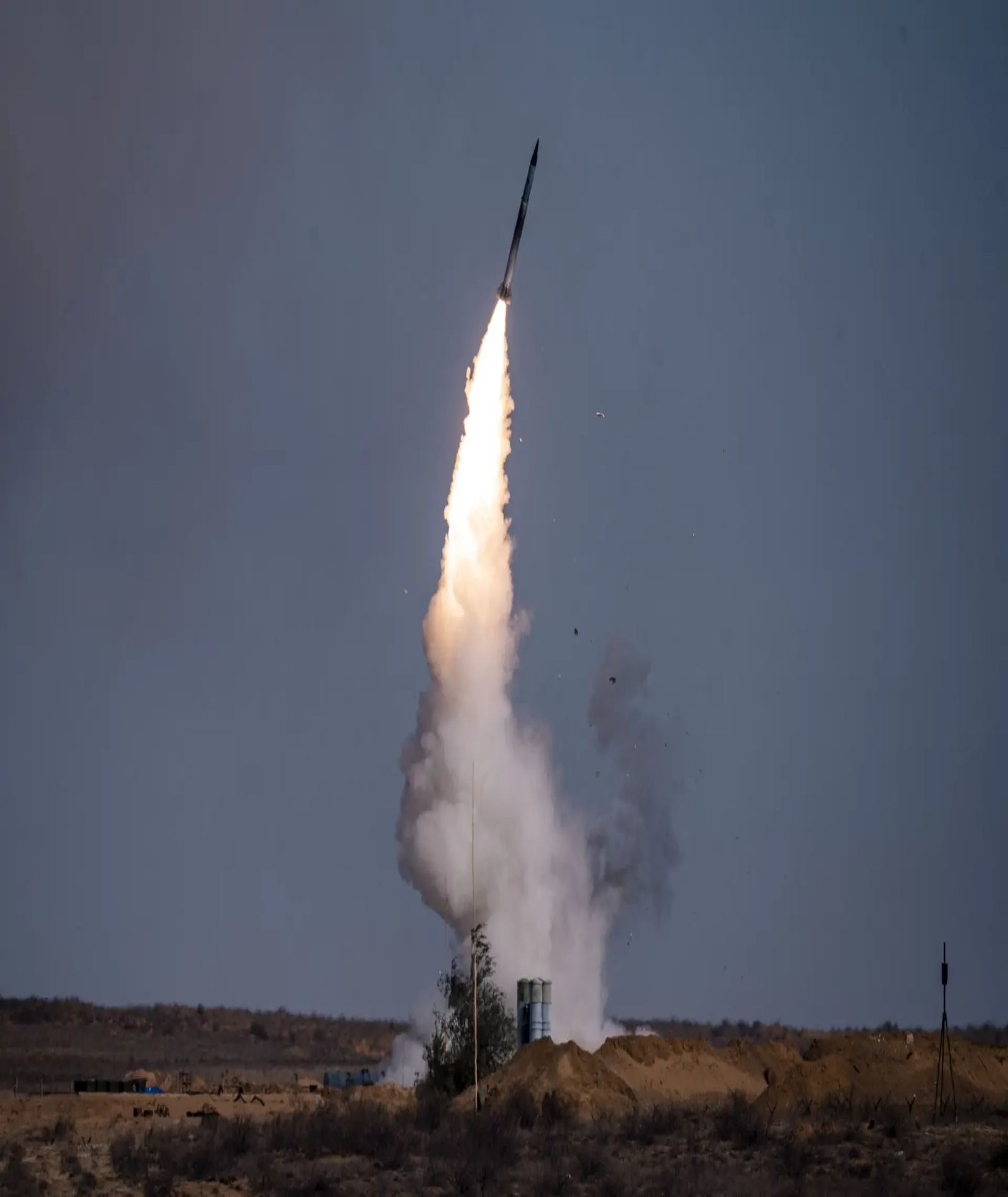
India’s Future Missile Defence Shield: India is moving toward a more layered and indigenous air-and missile-defence architecture. The three programmes are getting attention in particular: the AD-1 and AD-2 interceptors under Ballistic Missile Defence (BMD) Phase-II, and Project Kusha, the country’s long-range surface-to-air missile system.
Now these programmes do matter but they should not be treated like one single “missile shield”. AD-1 and AD-2 are primarily tied to India’s ballistic-missile defence architecture, whereas Kusha is a long-range surface-to-air setup meant to engage a wider set of aerial threats. Taken together with existing systems, radars and command networks, they could meaningfully enhance India’s ability to detect, track and intercept any future threat.
AD-1 and AD-2
The AD-1 (Air Defence-1) and AD-2 interceptors form part of India’s second phase of its indigenous BMD programme.
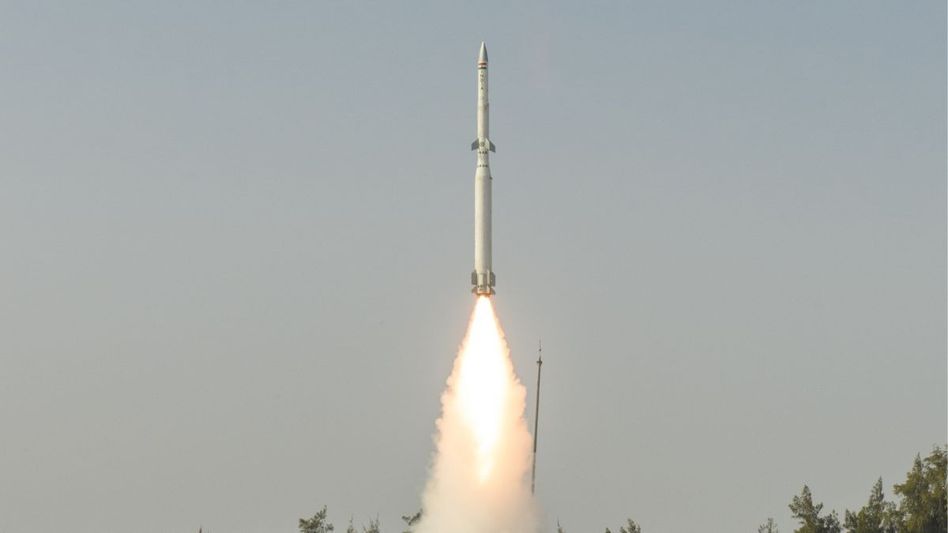
The objective of BMD Phase-II is considerably more demanding than simply shooting down conventional aircraft. The system is being developed to engage faster and longer-range ballistic missiles, requiring powerful tracking radars, sophisticated command-and-control systems and interceptors capable of operating at very high altitudes.
DRDO’s published material says Phase-II involves the AD-1 and AD-2 interceptor missiles, along with the long-range Swordfish tracking radar. It describes AD-1 as a long-range interceptor capable of both low exo-atmospheric and endo-atmospheric interception.
What Does Exo-Atmospheric and Endo-Atmospheric Mean?
The terms describe where interception takes place.
Exo-atmospheric interception occurs outside the atmosphere, giving a missile-defence system an opportunity to engage a ballistic missile during its flight at very high altitude.
Endo-atmospheric interception takes place within the atmosphere closer to the defended target.
Having different interception opportunities is important because a layered BMD system does not have to depend on a single interceptor or a single point in the trajectory.
Kusha Missile Explained: How It Measures Against S-400, Patriot and HQ-19
Where Does Project Kusha Fit In?
Project Kusha is sometimes described as India’s indigenous answer to systems such as the Russian S-400, but the comparison needs some qualification.

Kusha is a long-range surface-to-air missile system, rather than India’s dedicated BMD Phase-II interceptor programme.
The system is being developed to provide long-range protection against a broad range of aerial threats, including fighter aircraft, UAVs, missiles and large enemy aircraft. DRDO’s July 2026 announcement confirmed that the maiden test successfully intercepted an electronic target representing a high-speed, high-altitude aerial threat.
Kusha’s Three-Tier Architecture
Kusha is planned around multiple interceptor variants rather than one missile covering every engagement.
Publicly reported figures place the planned variants broadly in these ranges:
- M1: Around 150 km
- M2: Around 250 km
- M3: Around 350–400 km
There are variations in published figures, particularly around the exact range of the M1 and M3 variants, so these should be regarded as reported programme targets rather than confirmed operational performance figures.
India’s Future Missile Defence Shield: Kusha’s July 2026 Test
On 23 July 2026, DRDO did a Kusha maiden flight test from APJ Abdul Kalam Island, off the Odisha coast.
As per the Ministry of Defence, this trial used an electronic target that was meant to act like a fast and high-altitude aerial threat and the Kusha missile managed to intercept it.
The ministry further said that all major parts, like the missiles, radars and the command-and-control components, were worked on by DRDO laboratories along with Indian industry partners. Defence Minister Rajnath Singh described the event as an important milestone for India’s capability to build long-range surface-to-air missile systems, inside the country.
Can These Systems Stop Future Missile Attacks?
Potentially they can significantly help India’s defence, but no matter what, they can’t make the nation fully immune to missile strikes. There are a few reasons behind this.
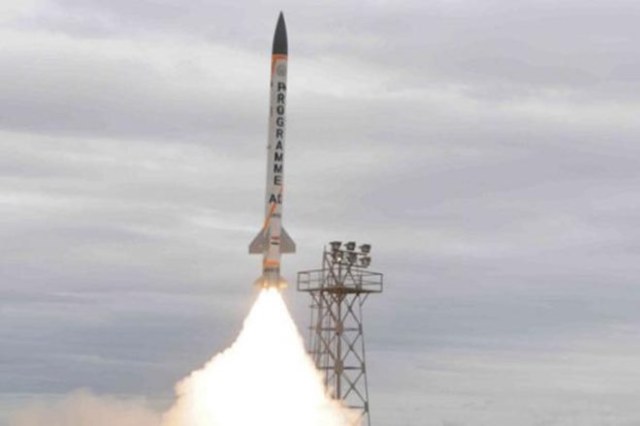
Modern missile threats are getting more and more complex. An attacker can mix ballistic missiles with cruise missiles, drones, decoys, electronic warfare and also throw in lots of targets at the same time. Because of that, the defence side has to be able to spot and sort threats quickly, while also coordinating several interceptor teams in parallel.
So, the future of India’s air defence won’t hinge just on AD-1, AD-2 or Kusha on their own, but on whether these systems can actually work together well as a connected layered setup.
AD-1, AD-2 vs Kusha: What’s the Difference?
AD-1 and AD-2: These are primarily linked with India’s Ballistic Missile Defence Phase-II and they’re meant to create interception chances against tough ballistic missile threats.
Project Kusha: A long-range surface-to-air defence effort meant to hit a broader set of aerial threats, like aircraft, UAVs and missiles as well.
In a sense, they overlap, but they tackle different pieces of India’s air defence problem, not the exact same slice.
