
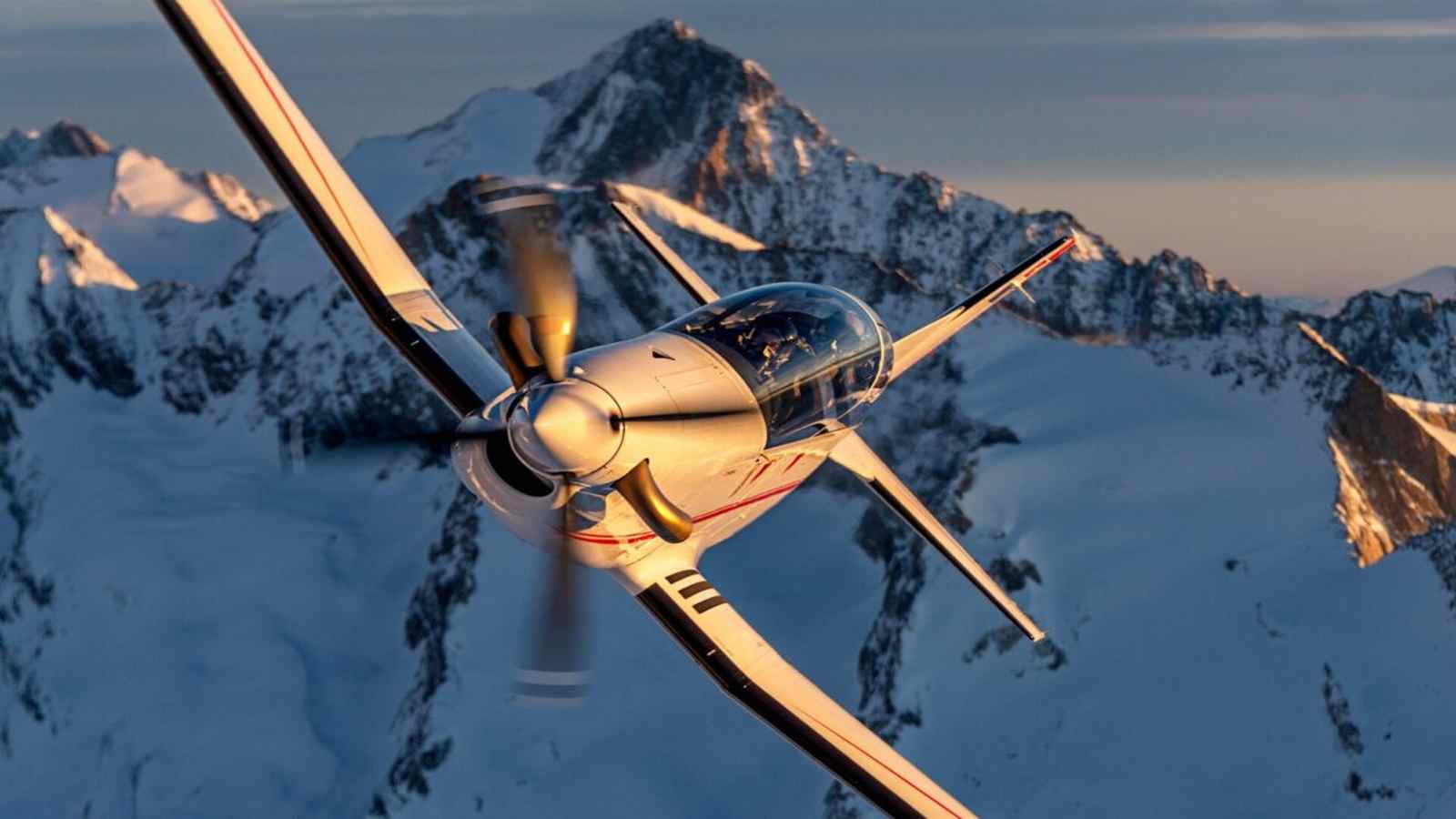
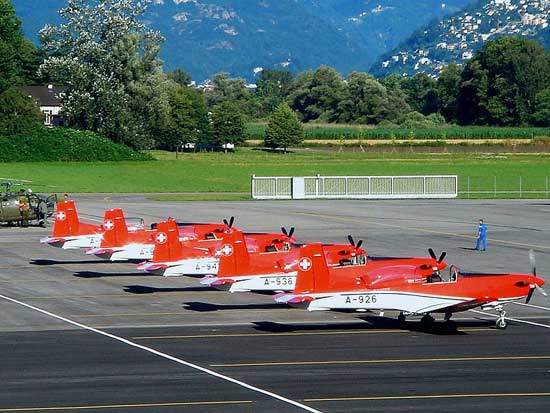
European Pilatus PC-7 Military Trainers Upgrade: European air forces will receive substantial advantages from a complete avionics system enhancement, which Thales Group will deliver through its advanced radio management system solution for Pilatus PC-7 aircraft. The system installation will provide enhanced communication performance together with improved situational understanding and better operational capabilities, which will benefit pilot training programs.
European defense organizations have begun to modernize their training aircraft because they need to match the advanced communication and operational systems found in contemporary combat aircraft. Pilatus Aircraft will use Thales technology to build a PC-7 training system that meets current air force standards and enables pilots to practice real military mission scenarios.
Why Modern Communication Systems Matter in Military Training Aircraft?
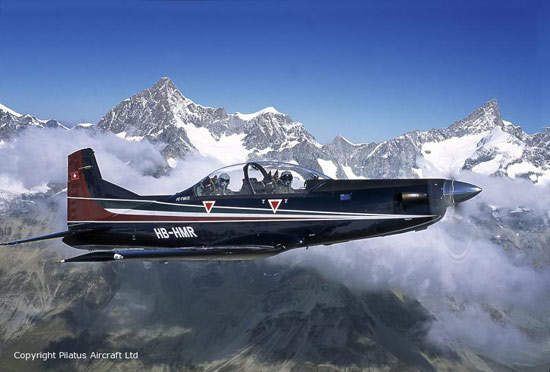
In military aviation communication systems, ranks are an essential part of avionics equipment. Pilot trainees work together with multiple systems, which include:
- Ground control stations
- Other aircraft in formation
- Training instructors
- Mission planning systems
Markus Bucher, CEO of Pilatus, commented on the contract as follows: “It’s a great honor to have been selected once again by our valued customer, France, and we are very proud – thank you sincerely, France!” The PC-7 MKXs will also be equipped with a Head-Up Display, an additional feature that will enable a high degree of commonality between the PC-7 MKX and the PC-21. The newly developed, state-of-the-art Ground Based Training System, including simulators, also meets the highest requirements and offers cost-efficient basic training for the military pilots of the ‘Grande Nation’.”
“The PC-7 can perform various functions, including aerobatics and tactical and night flying.”
Canada’s NRC Acquires Global 6500 to Support Military and Dual-Use Technology
What the Thales Radio Management System Brings to the PC-7 Fleet?
1. Integrated Multi-Radio Control
The system enables pilots to operate multiple radios through a single control system. This system enables users to switch between various communication channels while they work with multiple mission partners during training exercises.
2. Enhanced Situational Awareness
Modern radio management systems improve pilot awareness by integrating communication functions with cockpit displays and avionics systems. The system enables trainees to maintain their focus on flying while executing their mission responsibilities without needing to set up their radio devices manually.
3. Reduced Pilot Workload
The system enables pilots to handle their duties more efficiently because it streamlines all communication tasks which would otherwise require their attention to perform. The system enables student pilots to operate their aircraft through its straightforward process of selecting channels and handling signals.
4. Compatibility with NATO and European Standards
The system operates on established military communication standards which enable it to function with allied air forces during joint training operations.
European Pilatus PC-7 Military Trainers Upgrade
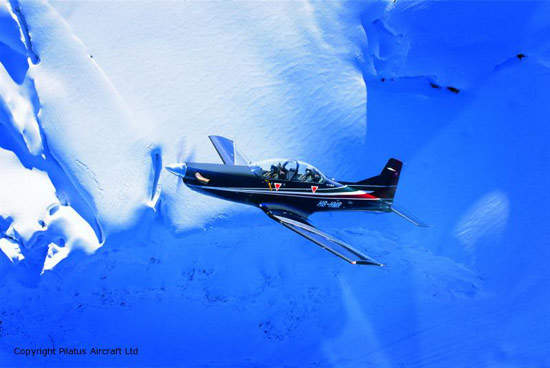
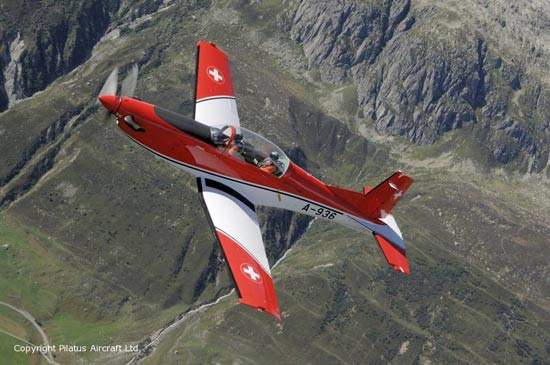
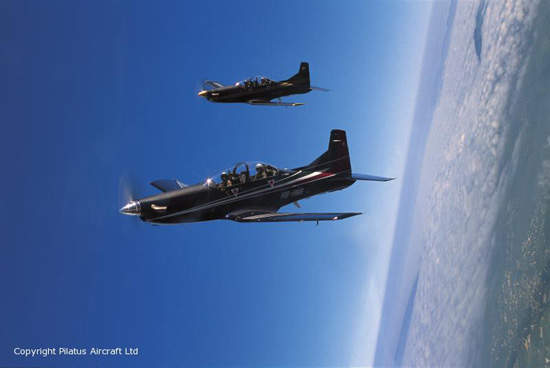
The Pilatus PC-7 is a turboprop-powered military trainer developed in Switzerland and widely adopted by air forces across the world.
Key Characteristics of the Aircraft
- Engine: Pratt & Whitney PT6A turboprop
- Maximum speed: 415–460 km/h
- Range: 1,950 km
- Service ceiling: 9,150 meters
European Adoption of the New PC-7 Training Ecosystem
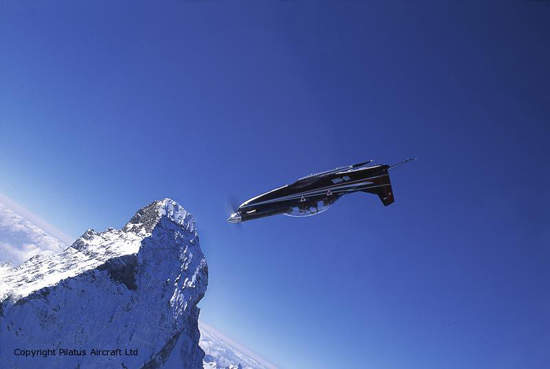
Europe has recently shown growing interest in upgrading or replacing older trainer fleets with newer variants of the PC-7 system.
The following countries have committed to using the new PC-7 MKX training system: France which ordered 22 aircraft to strengthen its basic pilot training program.
The Netherlands became the first country to use the PC-7 MKX system as a replacement for its older trainer aircraft.
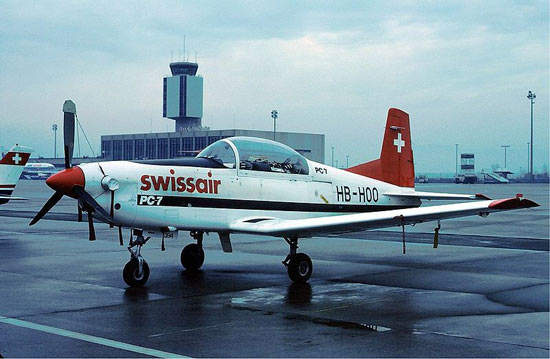
Belgium selected 18 PC-7 MKX aircraft as part of a long-term pilot training contract.
The training systems use aircraft and simulators and mission planning software together with integrated avionics to create a complete learning environment for future military pilots.
How does this upgrade support next-generation pilot training?
Fighter pilots today operate in environments that enable them to communicate with various assets which include drones and ground forces and command centers.
The PC-7 training fleet will provide student pilots with their first hands-on experience through Thales radio management technology because it will introduce them to: Advanced cockpit communication workflows, multi-channel radio operations, and mission coordination with multiple platforms.
